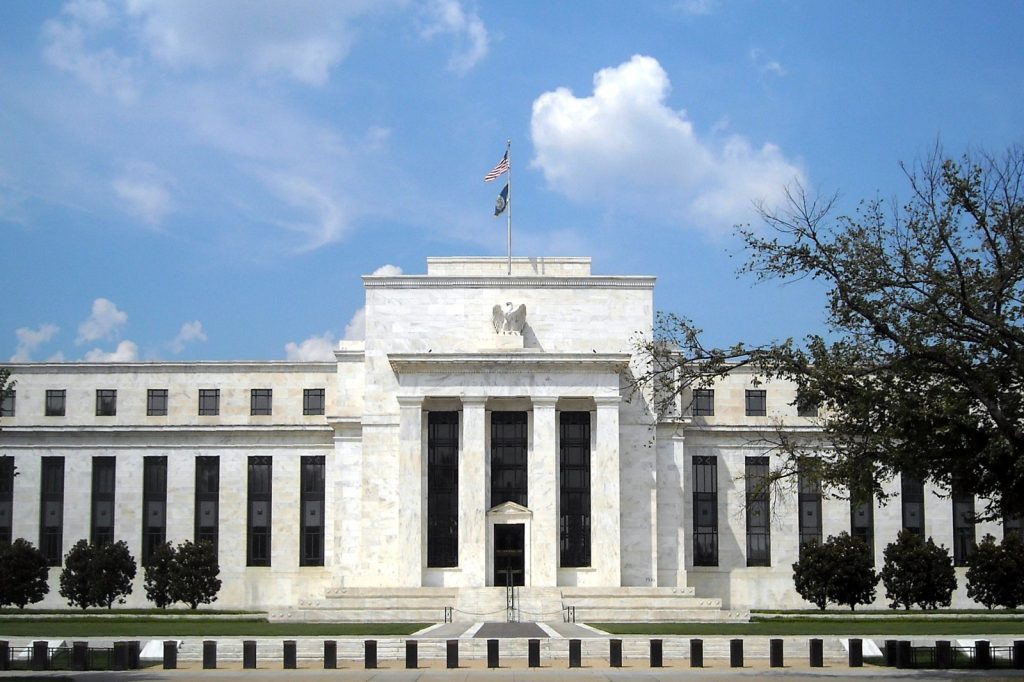
The Federal Reserve has pushed its benchmark rate up by a quarter of a percentage point, to a range of 3.75% to 4%. Inflation is the reason. Consumer prices rose 3.4% in August from a year earlier, well above the Fed’s 2% target, and the monthly gain edged up to 0.4% from July, according to the Labor Department.
Chair Kevin Warsh said the central bank has “no tolerance for persistently elevated inflation.” Stable prices matter most to lower-income Americans, he said, because they feel rising costs hardest.
Borrowers will not enjoy this. Anyone taking out a new loan or carrying variable-rate debt could pay more interest. Savers, on the other hand, may see better returns on savings accounts and CDs.
The phone bill problem
Under the hood, the August inflation figure had an unlikely contributor: wireless service. T-Mobile said in late July that it was retiring more than 1,000 older plans and moving customers onto newer ones costing as much as $6 more per line each month. AT&T raised some older plan prices by $10 to $20 starting August 5, and added $1 to a monthly per-line fee.
Consumer Price Index data showed wireless bills jumping 5.9% from July to August. That is the largest one-month rise since the Bureau of Labor Statistics began tracking the category nearly 20 years ago. Wall Street analysts estimated it added about 10 basis points to the 0.3% monthly rise in core consumer prices.
The carriers point to network costs. CTIA, their trade group, says they spent more than $30 billion last year on new sites and added capacity. Lauren Hannula, managing editor of WhistleOut, is not convinced. She told Yahoo Finance that Verizon, AT&T and T-Mobile have said repeatedly that they want more money from each customer, and that the latest increases look tied more to pricing strategy than to infrastructure costs.
Taxes play a part too. Taxes, fees and government surcharges made up a record 27.6% of the average wireless bill last year, according to the Tax Foundation. Adam Hoffer, the foundation’s director of excise tax policy, said many customers never look closely at those line items.
Utilities, city by city
Power and gas bills are climbing faster than prices overall in some places. A Bank of America report found the average utility bill rose 5.3% year over year in August, against a 4% annual increase in electricity and piped-gas prices. The rise followed the hottest summer on record.
Heat is only one factor. Grid modernization, manufacturing moving back to the US and the rush to build data centers are all pushing costs up. Energy makes up about 3% of household spending, as of 2024.
The pattern varies sharply. Detroit, Baltimore and Washington, D.C. saw some of the steepest jumps, with bills up about 10% from a year earlier between June and August. In the Northeast, spending on the grid and extra capacity has lifted prices. San Jose, Orlando and Tampa went the other way. Florida’s drop came from regulatory changes and the end of hurricane recovery surcharges.
The US Energy Information Administration expects commercial and industrial electricity use to grow 4%, which will take more investment in generation and grid capacity. Bank of America said some of that cost could reach consumers through energy bills.
Data centers are a sore point. A Gallup poll earlier this year found seven in 10 Americans opposed building one in their area. Daniel McGahn, CEO of American Superconductor, told Yahoo Finance that the cost of bringing new power online can often be built into the data-center, chip or factory project itself instead of landing automatically on household bills.
Bank of America did see one possible break: an El Niño pattern could bring warmer weather and lower energy demand, which might trim some bills.