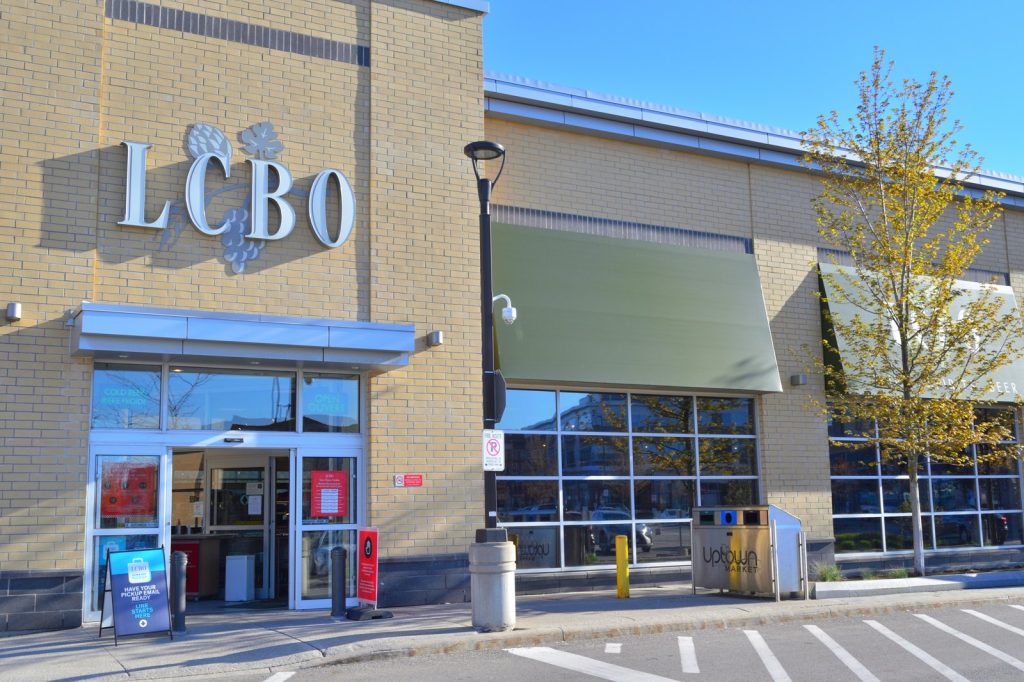
TORONTO, July 21 — For nearly a century, the Liquor Control Board of Ontario has operated as one of the most powerful state-run alcohol monopolies in the world. Strategically, the LCBO is far more than a retailer: it is a Crown agency that controls the sale, transportation and delivery of every bottle of liquor, wine and beer across Canada’s most populous province — home to more than 15 million people, or nearly 40 percent of the nation’s population.
That scale makes the LCBO one of the globe’s largest single purchasers of alcoholic beverages, and under current US-Canada trade dynamics, its purchasing power carries broader stakes than simple commerce.
A century of control
Established in 1927 by Premier Howard Ferguson’s government, the LCBO was the compromise that ended Ontario’s prohibition era. The LCBO was created to sell liquor, wine, and beer following the end of prohibition. The LCBO is accountable to the Legislative Assembly through the minister of finance.
The first 18 stores opened on June 1, 1927. The first chief commissioner was David Blyth Hanna.
For the better part of a century, the LCBO held a quasi-monopoly on alcohol retail in Ontario. The only exceptions: beer sold through The Beer Store, and wine from a handful of chains that by the 2010s had consolidated into Wine Shop and Wine Rack. Independent outlets operated on-site at wineries, breweries and distilleries.
Bars and restaurants in Ontario remain largely required by law to buy their alcohol through the LCBO, The Beer Store, or directly from Ontario producers.
Shifting the monopoly chessboard
The LCBO’s near-monopoly began to crack in December 2015, when the agency authorized some supermarkets to sell cider, wine and beer within grocery aisles. By December 9, 2016, nearly 130 grocery stores had been licensed, with 450 expected by 2020. The agency’s foothold in the recreational cannabis market was also short-lived: the LCBO served as parent company of the Ontario Cannabis Retail Corporation, the only entity licensed to sell cannabis for recreational use in the province until the Cannabis Statute Law Amendment Act, 2018.
By September 2017, the LCBO itself operated 651 liquor stores across Ontario. What this signals for the current trade environment is a concentrated leverage point.
Because the LCBO controls which products are listed and sold in Ontario’s retail and wholesale markets, its regulatory framework directly influences imports — including those from the United States. The calculus for US distillers, vintners and brewers looking to access the Canadian market runs through a single Crown corporation accountable to the Legislative Assembly via the minister of finance.
Broader stakes for American exporters
The broader stakes are clear: any shift in LCBO listing policy, procurement volume, or regulatory requirements could ripple through the export strategies of American alcohol producers. Conversely, the agency’s purchasing heft — built on serving 40 percent of Canada’s population — gives Ontario, and by extension Ottawa, a strategic card in any bilateral negotiations over market access or tariff structures. The LCBO’s history as a compromise between prohibition and personal liberty, crafted nearly a century ago, now positions it as a quiet but formidable actor in North American trade diplomacy.
Watch for how the Trump administration — and specifically its trade representatives — recalibrates their approach to a Crown agency that buys and sells alcohol on a massive scale, because the chessboard of distilled spirits, wine and beer is not just about drink: it is about leverage.