Iceland managing director Richard Walker had a blunt message for shoppers in July 2021: there is “no problem with supply of stock.” Panic-buying, he said, is “only an option for those who can afford it and it often means that others go without.”
Supermarkets, ministers and business leaders all asked the public to stay calm after reports of bare shelves tied to the so-called pingdemic, when staff were told to isolate by the government’s Covid app. Business Secretary Kwasi Kwarteng made the same appeal, even as retailers called the situation around the app alerts “untenable.”
Gaps on the shelves
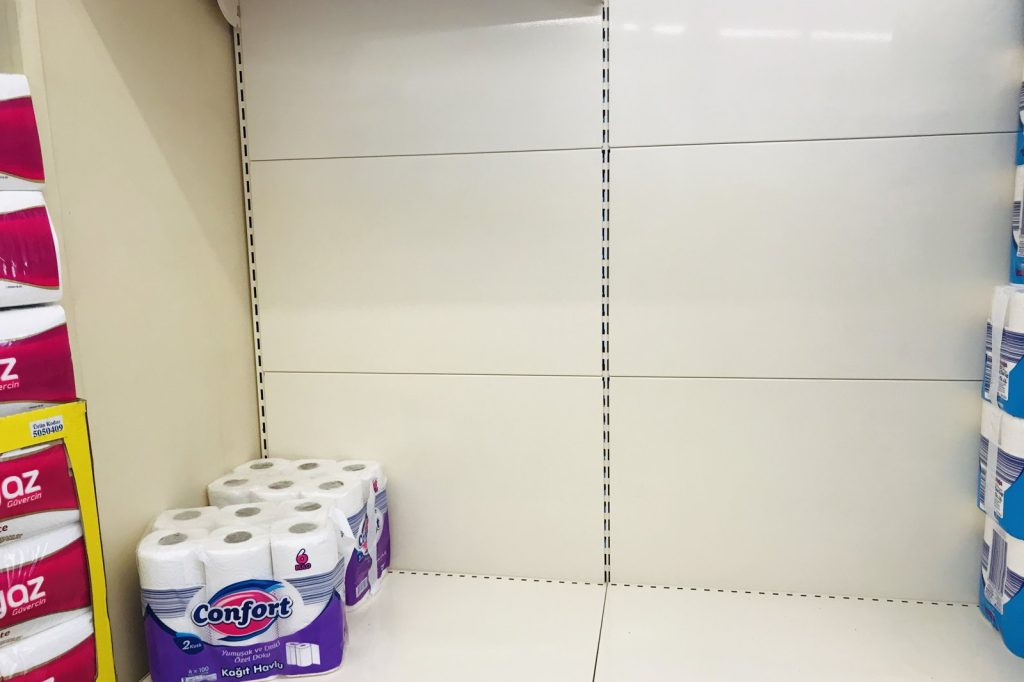
Complaints about empty shelves had grown in recent days. A shortage of lorry drivers was adding pressure to grocery supply, and Brexit-related disruption was slowing deliveries from overseas. Photos echoing the first lockdown, when anxious shoppers cleared the aisles, circulated on social media.
A Co-op spokesman said the chain was “running low on some products” after “patchy disruption to our deliveries and store operations.” Sainsbury’s said it “might not always have the exact product a customer is looking for.” Some BP petrol stations in places ran short of fuel too. BP closed a “handful” of UK sites because of the driver shortage, and a distribution terminal shut after staff were told to isolate.
Calls for calm, and a dispute
The British Retail Consortium’s chief executive, Helen Dickinson, warned on BBC Breakfast that some food retailers would have to close stores. “There will be many smaller businesses where if they only have one or two staff and they need to self-isolate, then that’s them needing to close their doors completely,” she said. Still, she insisted “there’s no need to panic, because there’s plenty of food in the country.”
Walker told BBC Radio 4’s Today programme that the dramatic pictures were “isolated incidents and not widespread.” He added: “But the people who should be panicking are the government.” He wanted retail workers and HGV drivers added to the key worker list. Kwarteng agreed shoppers should not panic, but replied: “I don’t quite know what he meant that the Government should be panicking, I’m not panicking.”
Isolation rules for contacts of Covid-positive people were not due to change until 16 August.
Staff shortages elsewhere
Other industries felt the squeeze. Transport for London had to close the Metropolitan Line because staff were told to isolate, and restaurants, pubs and bars struggled to staff shifts. Up to a fifth of workers in some companies were isolating after a notification. The number of people alerted by the app in England and Wales recently topped 500,000 in one week.
Nissan was affected at its Sunderland plant, and the British Meat Processors Association said some members had seen between 5-10 per cent of their workforce “pinged.”