
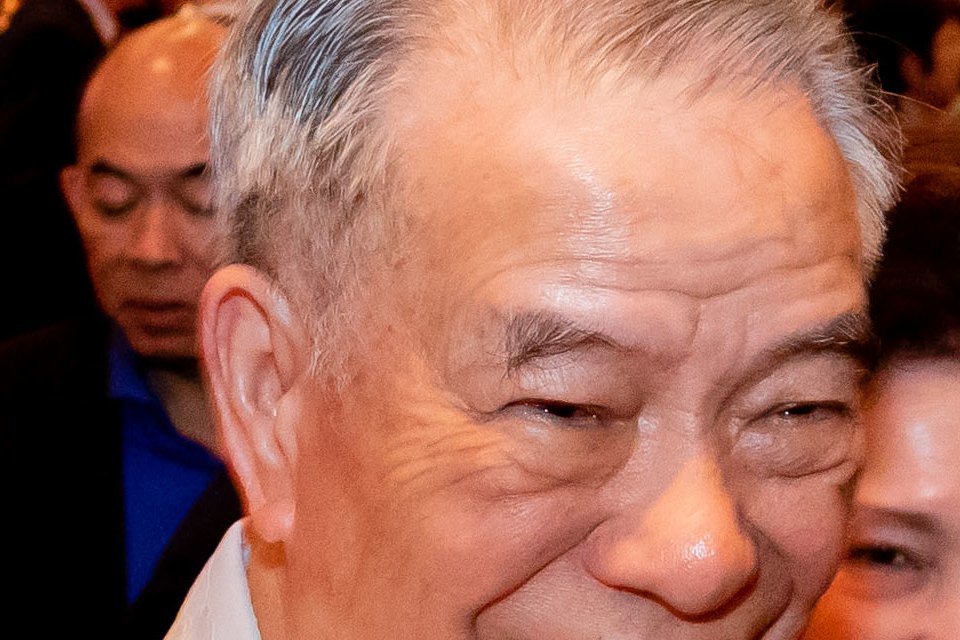
Philippine Airlines has implemented significant corporate changes, including a leadership transition and a major capital increase, as it seeks to strengthen its position in a competitive aviation market. On February 19, 2020, the company announced that billionaire Lucio Tan, aged 85, has been appointed as the new president of its holding firm, Philippine Airlines Holdings Inc. He will also serve as the company’s chairman. Tan replaces his son, Lucio Tan Jr., who passed away in November 2019.
Alongside the leadership change, the airline’s holding company has raised its authorized capital stock from P13 billion to P30 billion—a 130 percent increase. This move is part of a broader strategy to improve competitiveness and maintain profitability.
The flag carrier of the Philippines has faced financial difficulties amid stiff competition from budget airlines. For the first nine months of 2019, Philippine Airlines reported consolidated revenue of P117.92 billion but recorded a net loss of P7.86 billion. Operating expenses rose by 2.2 percent in 2019 compared to the previous year. The company attributed this increase to several factors: maintenance expenses grew by 8.8 percent, while aircraft and traffic servicing expenses rose by 2.7 percent, driven by expansion in fleet size, passenger numbers, and network operations. Reservation and sales expenses also climbed by 10.7 percent due to higher passenger volume.
The company’s strategy includes reasserting itself as a full-service carrier and pursuing a 5-star rating from Skytrax, an aviation industry tracker. Former president Jaime Bautista previously stated the airline’s commitment to providing high-quality service and achieving that rating. Philippine Airlines currently operates a fleet of 95 aircraft, serving 43 international and 35 domestic destinations.
The Philippine aviation sector remains highly competitive, with numerous budget carriers operating in the market. An International Air Transport Association (IATA) report noted that the Asia-Pacific aviation industry is expected to continue growing, with rising demand for air travel. However, the report also highlighted challenges such as increasing fuel costs, regulatory requirements, and intense competition. IATA’s director general and CEO, Alexandre de Juniac, observed that airlines must adapt to changing market conditions and regulatory demands to remain competitive.
The Philippine Department of Tourism has emphasized that aviation industry growth is critical for developing the country’s tourism sector. The government has expressed commitment to supporting the industry’s expansion. With its cultural heritage and natural attractions, the Philippines is seen as having potential to become a major tourist destination, with aviation playing a key role in that goal.
The appointment of Lucio Tan as president and the capital stock increase are viewed as positive steps for the company. While Philippine Airlines continues to face challenges from budget carriers and rising expenses, its focus on full-service operations and the 5-star rating objective are expected to help attract more passengers and increase market share.




