
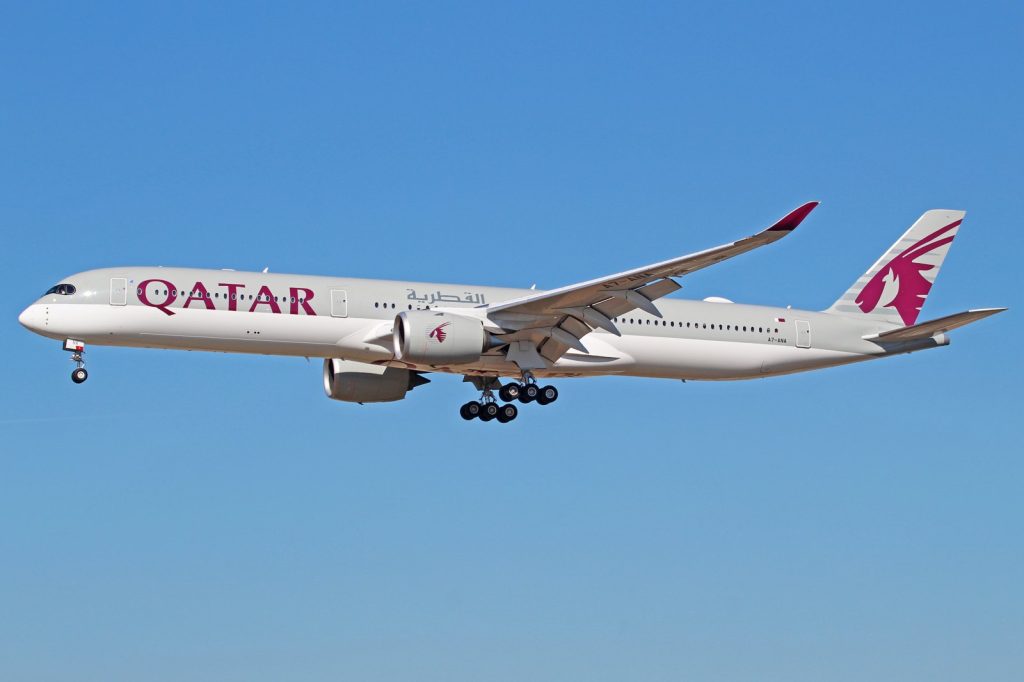
Doha – The state‑owned carrier Qatar Airways, one of the handful of airlines still operating regular commercial routes, has warned that its cash reserves will be exhausted quickly unless it receives fresh financing from the Qatari government. Chief Executive Akbar al‑Baker told reporters that the airline will need either a loan or an equity injection to continue its current level of service. Al‑Baker stressed that the existing cash will sustain the airline only for a “very short period” at the present burn rate.
The carrier has become a crucial conduit for stranded travelers, operating repatriation flights from Asia, Australia and Europe. In the coming weeks the airline plans to add roughly 2,000 flights to its schedule, responding to requests from governments and diplomatic missions that have urged it not to cease operations.
Despite the humanitarian role, the airline’s revenue stream remains under severe pressure. Ticket sales, already depressed by the COVID‑19 pandemic, are insufficient to cover the soaring costs of the repatriation missions. Each flight now incurs higher expenses due to reduced passenger loads, stricter quarantine requirements and occasional denial of landing rights in certain jurisdictions.
If the government does not intervene, Qatar Airways has indicated that it could face a substantial loss for the current financial year and may be forced to suspend the repatriation flights. Such a suspension would leave thousands of passengers stranded abroad with no commercial alternatives for returning home.
Qatar Airways’ predicament mirrors that of many airlines worldwide seeking bailouts, yet its business model differs from traditional flag carriers. The airline operates as a hub carrier, relying on connecting traffic through Doha rather than serving a large domestic market. The abrupt collapse of international demand and the closure of airspace have therefore hit its core revenue engine hard.
Al‑Baker reiterated that the airline will continue to fly “as long as it is necessary,” provided that airspace and airports remain accessible. However, the airline’s operating environment is becoming increasingly volatile.
Some nations have restricted landing rights for carriers from specific regions, while others have imposed quarantine protocols that diminish the practicality of travel, further inflating operational costs. The CEO’s appeal for government assistance was unequivocal: without an infusion of capital, the airline’s cash flow will run dry soon. He did not disclose a precise timeline or the amount required, but the implication is that the airline cannot maintain its current flight schedule without state support. A shutdown would have repercussions beyond the stranded passengers.
Qatar Airways is a flagship project for the country, symbolising Qatar’s global outreach and contributing significantly to the national economy. A cessation of operations could undermine confidence in the nation’s ability to sustain its flagship enterprises.
At present, the airline’s schedule—including the planned 2,000 flights—remains intact, and embassies continue to submit repatriation requests. Nonetheless, the financial strain is acute, and the government must decide the scale and terms of any potential loan or equity injection. That decision will determine whether Qatar Airways can preserve its status as a global carrier or become another casualty of the pandemic’s impact on aviation.
The coming weeks are decisive for the airline’s survival. Each additional flight brings the carrier closer to the edge of its limited financial runway, and the central question now is not whether the airline can keep flying, but who will fund the flights that keep it aloft.




