The Leak and Its Size
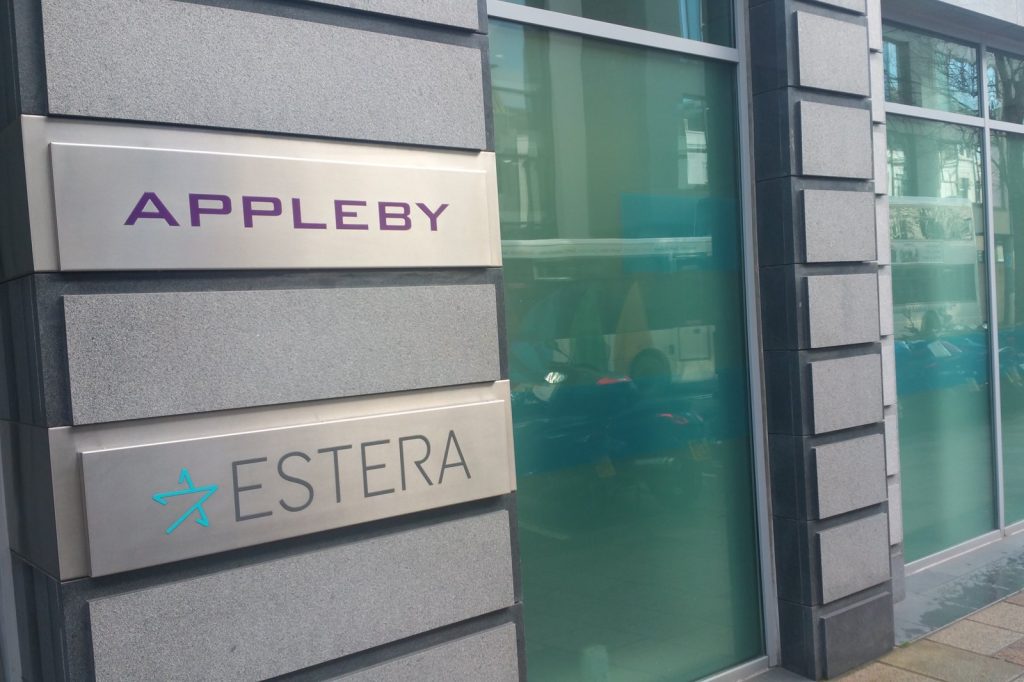
Strategically, the Paradise Papers arrived as a map of an entire financial terrain. The label covers a trove of 13.4m files. Roughly half, 6.8m documents, concern Appleby, a provider of legal and corporate services running a joined operation spanning 10 jurisdictions. The firm’s “fiduciary” arm had been the subject of a management buyout the year before the leak surfaced and now trades as Estera. Alongside the Appleby material sat details from 19 corporate registries kept by governments in secrecy jurisdictions, the Cayman Islands, Bermuda, Malta, Samoa and Vanuatu among them, with papers spanning 1950 to 2016.
The German newspaper Süddeutsche Zeitung obtained the documents, as it had the Panama Papers a year earlier, and handed the trove to the International Consortium of Investigative Journalists, the US-based newsroom network that ran the global partnership. The Guardian counted itself among 96 media partners; in total 381 journalists drawn from 67 countries picked through the trove. Süddeutsche Zeitung has not, and says it will not, discuss sourcing.
Who Appears in the Files
The leak swept in both corporations and individuals, united, as the reporting put it, by money. Apple, Nike and Facebook featured among the multinationals. The range of names ran from the Queen to Bono. The files showed, in the Guardian’s own summary, that the offshore empire is “bigger and more complicated than most people thought”, and that even Appleby, a firm priding itself on setting the industry’s standards, had fallen foul of the regulators who police it.
The catalogue of revelations was long. Millions of pounds from the Queen’s private estate sat in a Cayman Islands fund, some of it reaching a retailer accused of exploiting poor families. A firm co-owned by Vladimir Putin’s son-in-law made substantial payments to the shipping group run by US commerce secretary Wilbur Ross, and investments traceable to Russian state financial institutions reached Twitter and Facebook. Lewis Hamilton avoided tax on a £17m jet through an Isle of Man scheme, and a previously unknown $450m offshore trust sheltered the wealth of Lord Ashcroft. After a dispute over its tax affairs, Apple quietly relocated pieces of its empire to Jersey, Oxford and Cambridge put money offshore with some of it in fossil fuels, and Glencore leaned on a covert loan and alliance while chasing mining concessions in the Democratic Republic of the Congo. One tout resold Adele and Ed Sheeran tickets through an offshore firm to dodge tax on the profits.
The Response and the Broader Stakes
Appleby “has denied any wrongdoing” by itself or its clients, while conceding it is not infallible, and it pledged to cooperate with whatever formal inquiries the disclosures might produce. Estera declined to comment. The wider record was less flattering. The law firm stood criticised over “persistent failures” against terrorist financing and money laundering rules, while a tax haven lobby group had bragged, before a G8 summit then expected to tighten offshore transparency, of “superb penetration” reaching the top of the UK government.
The schemes the papers describe are legal if run correctly; many appear not to have been. What this signals, as politicians began asking whether such structures should be banned, is the question the leak forced into the open: whether tax avoidance in all its guises had gone too far.
Sources
Sources
- What are the Paradise Papers and what do they tell us? | The Guardian
- Paradise Papers: Who are Appleby, the lawyers at the centre of the…