
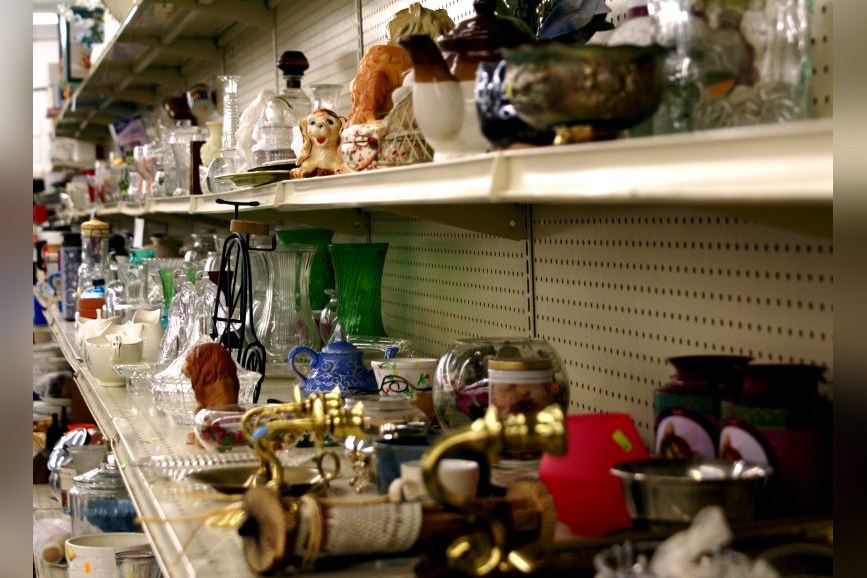
CHARLOTTE, N.C. — The second-hand bargain is dying, and a reseller who built a following on hunting pre-loved treasures says the big charity chains are to blame. Jordan Lee, known online as @thecarbootguy, posted a blunt verdict on Instagram last week. He rarely visits charity shops anymore.
The reason is simple: prices have climbed too high. “I honestly don’t go into charity shops as much anymore — especially the big, well-known chains — simply because of the prices,” Lee wrote.
He makes his living reselling used goods. The hunt for a deal is his job. And he says the hunt no longer pays off.
The accusation cuts to the core of what charity retail claims to be. These stores exist to raise money for good causes.
Donors give clothes expecting them to be sold cheaply to people who need them. But the resale boom has changed the math. Vintage hunters and flippers now crowd the aisles.
Charities see the demand and respond by pricing items closer to what the market will bear. For casual shoppers, that destroys the whole point. “Whether you’re popping in to try and resell items online or just hoping to find yourself a bargain, it sometimes feels like the whole point has been lost,” Lee said.
He offered a stark comparison. On resale platforms like Vinted, he finds identical brands in superb condition across different sizes for significantly less than what charity shops charge.
He even spotted items priced higher than their brand-new equivalents on the high street. “I’ve even seen things in charity shops priced higher than they would be brand new in the actual high street store!” he declared. The tension is real.
Charities need revenue. The second-hand trend has brought more customers through their doors.
But that same trend creates pressure to abandon the bargain model that built their reputation. Lee acknowledged the bind. Charities have to raise funds.
He did not offer a solution. The result is a steady creep in prices that has left even devoted thrifters reconsidering. For years, buying pre-owned clothes was a smart, eco-friendly way to save cash while scoring unique pieces.
That appeal is fading. The thrill of the hunt depends on the possibility of a steal.
When the steal becomes a standard retail price, the hunt loses its meaning. Lee’s post struck a nerve. Comments poured in from others who said they had noticed the same shift.
The big, well-known chains drew particular criticism. Smaller, independent charity shops escaped the worst of it, at least for now.
But the trend raises a broader question for the sector. If charity shops price like for-profit retailers, what distinguishes them? Donors may stop giving if they feel their goods are being flipped for maximum profit rather than sold affordably to those in need.
Shoppers may stop coming if the deals disappear. Lee did not call for a boycott. He simply stated his reality.
He goes less. He finds less.
The whole point, he said, feels lost. For a growing number of second-hand enthusiasts, that feeling is now shared. The bargain bin is becoming a relic.
The charity shop, once a refuge from commercial pricing, is starting to look a lot like the high street it used to undercut.




