
Say a company called ABC Limited sells 10,000 shares at 100 rupees each. That first sale is a primary market deal, and ABC collects the money. Now say one of those buyers later sells shares to someone else. ABC gets nothing from that trade. The money goes from the new buyer to the old one.
That second kind of trade happens in the secondary market, also called the aftermarket. It covers previously issued shares, bonds, options and futures.
Primary versus secondary
In a primary issue, the proceeds go to the issuer. Often an underwriter buys the securities straight from a corporation, as in an initial public offering or a private placement, then resells them to other buyers for a fee. A buyer can also deal directly with the federal government when it issues treasuries.
Everything after that first sale is secondary. One investor sells to another, and the company that created the security is barely involved.
Where the trades happen
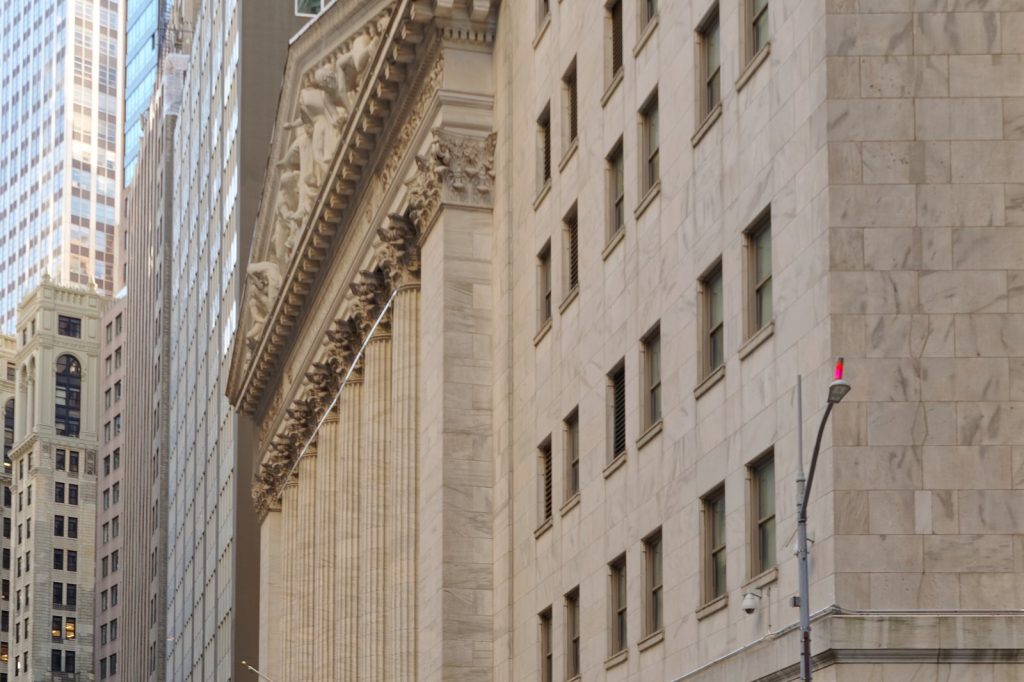
The New York Stock Exchange, the London Stock Exchange and Nasdaq are the most visible examples, centralized and liquid. Most bonds and structured products work differently. They trade over the counter, which in practice means calling the bond desk at a broker-dealer. Loans sometimes trade online through a loan exchange.
In another usage, the term covers mortgage loans that banks sell to investors such as Fannie Mae and Freddie Mac. It also stretches to used goods and to second uses of an existing product. Corn, long grown mainly for food and feed, now has a market in ethanol production. Patents and music rights can be resold, and timeshare ownership shares change hands outside the official exchange set up by the sellers. Private equity has its own version, in which investors sell existing fund commitments along with any unfunded balance they still owe.
After the Sarbanes-Oxley Act of 2002 raised compliance and reporting duties for public companies, private secondary markets such as SecondMarket and SecondaryLink emerged. They are generally open only to institutional or accredited investors and trade unregistered and private company securities.
Why liquidity matters
Securities have to be easy to sell, so the secondary market needs to be liquid. Originally the only way to get that was to have investors and speculators meet at a fixed place on a regular schedule. That is how stock exchanges began. As a general rule, the more investors in a marketplace and the more centralized it is, the more liquid it is.
Accurate share prices matter beyond the aftermarket itself. They help direct scarce capital to the right new projects in a primary offering. They can reduce the agency costs of management and make a hostile takeover less risky, which moves capital toward better managers. They also help allocate debt finance, whether bonds or institutional loans.
How a sale works
An investor holding 100 shares who wants out places a sell order through a stockbroker. Another investor places a buy order at the same price. The exchange’s electronic matching engine pairs the two. Ownership moves to the buyer’s account and the funds move to the seller’s bank account.
In India, most trades settle on a T+1 cycle, one working day after the trade. A same-day T+0 option exists for a growing list of stocks.
The risks
Prices can swing fast, and an investor may buy only to see the price drop. Stocks that trade rarely can be hard to sell at a good price. Over-the-counter trades carry counterparty risk if one side fails to complete the deal, and their prices can be less transparent than exchange prices.




