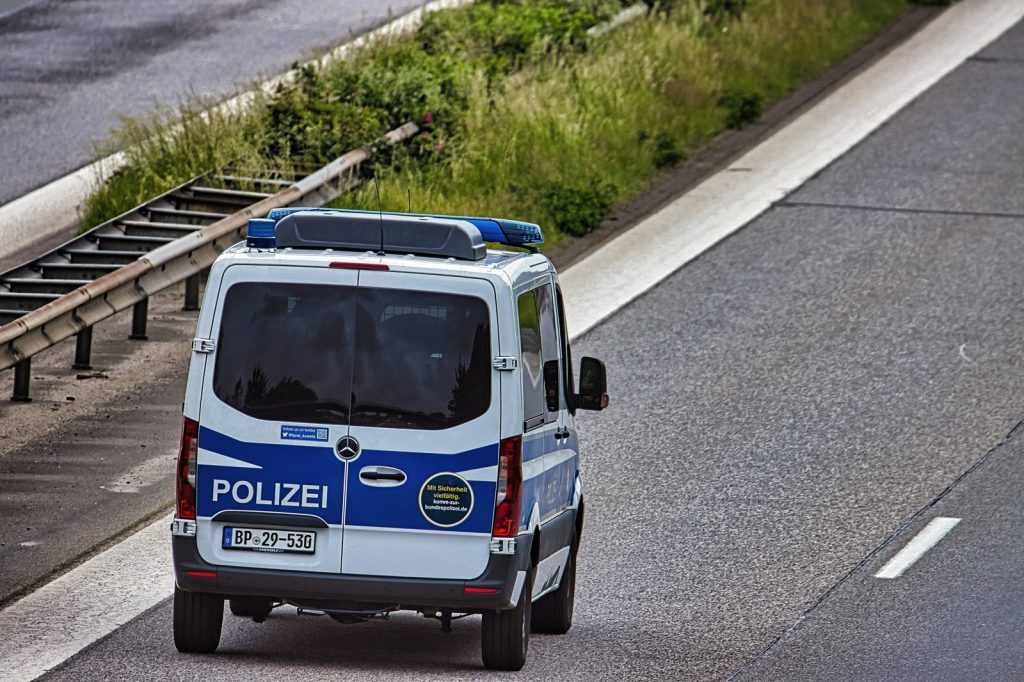
MÜHLDORF, Bavaria — A single-vehicle crash on October 13 has left seven people dead and 16 others hospitalized in southern Germany. The victims, all from the Middle East, were traveling without legal documentation when the accident occurred.
Authorities have confirmed the deceased are in a German morgue, while survivors are receiving medical treatment for injuries sustained in the wreck. The vehicle was transporting individuals attempting to cross the border without proper papers. Investigators have noted that the passengers were not wearing seatbelts at the time of the crash.
The driver, whose identity has not been released, took risks that licensed transportation providers would not, according to officials. The incident highlights the dangerous conditions faced by migrants traveling irregular routes.
For years, people have been leaving the Middle East due to war, persecution, and economic collapse, with Europe as their intended destination. This crash represents one fatal outcome of that journey, occurring on a German road. Seven families have lost loved ones.
The 16 survivors will likely carry physical and psychological scars from the event. The crash is not an isolated incident but part of a broader pattern of migrant deaths occurring during desert crossings, Mediterranean voyages, and transport in confined vehicles.
Beyond the immediate human toll, the crash raises questions about environmental pressures associated with migration. When people flee their homes, they often leave behind damaged ecosystems, including overgrazed land and depleted water resources. Upon arrival, they place additional strain on host countries’ infrastructure, including water systems, food supply chains, and the facilities needed for sustainable development. Germany has set ambitious targets for renewable energy and waste reduction.
A sudden influx of people, many of whom are traumatized and lack resources, can complicate these goals by straining the systems required for a green transition. This does not mean people should be turned away, but it underscores the need for legal migration pathways that do not force individuals into dangerous smuggling operations.
The crash in Mühldorf demonstrates what happens when comprehensive planning is absent. People die, ecosystems face additional pressure, and the system lurches from crisis to crisis. Germany’s renewable energy targets are important, but they cannot be achieved without managing the human flow that accompanies the country’s role as a safe haven.
Border policy, aid budgets, and resettlement programs are all interconnected with environmental considerations. The crash serves as a warning that the human cost of a broken system cannot be ignored.
Environmental sustainability is not a luxury when people are dying on roads. Both issues must be addressed simultaneously. Seven dead, 16 injured, one crash — and a set of unanswered questions about how to create safe, sustainable migration pathways.