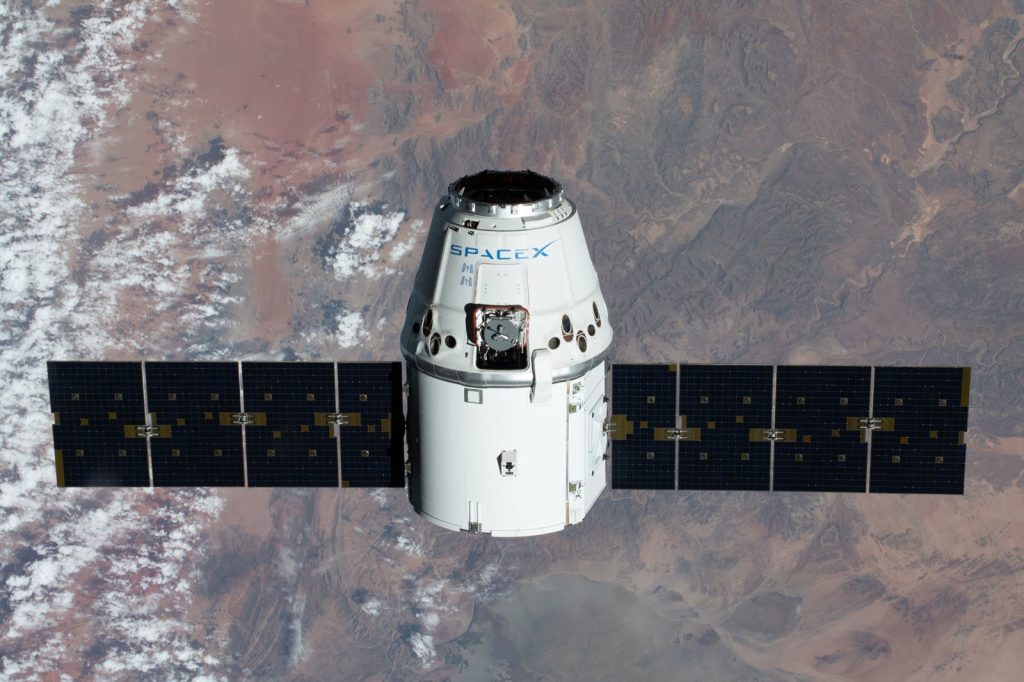
SpaceX raised $75 billion when it listed on June 12. That is close to three times what Saudi Aramco took in at its December 2019 IPO, and it made the SpaceX float the largest in Wall Street history. The company briefly reached a valuation of almost $3 trillion, though it has since given back part of that jump.
A Motley Fool analysis published on June 27 argues that the real risk to the market sits in the plumbing, not the headline.
A good run under Trump
The record is hard to argue with. During Trump’s first, non-consecutive term the Dow rose 57%, the S&P 500 gained 70% and the Nasdaq Composite climbed 142%. The Fool lists AI, record S&P 500 buybacks in 2025 and what it calls “IPO euphoria” as the drivers of the current run.
More listings may be coming. Anthropic filed confidentially with the Securities and Exchange Commission on June 1, and OpenAI followed on June 8. By June 18, secondary-market trading put Anthropic at an estimated $965 billion and OpenAI at $909 billion.
Faster doors into the indexes
Ahead of the SpaceX debut, several index providers rewrote their entry rules. Nasdaq Global Indexes, presumably hoping to win the listing for the Nasdaq exchange, announced changes to the Nasdaq-100 that took effect on May 1. It dropped its low-float requirement. A newly public, non-financial company that ranks in the top 40 by market capitalisation in the index can now join after 15 trading days. The old wait was at least three months.
The U.S. Russell Indexes followed on May 27. Big IPOs used to enter the Russell 1000 or Russell 3000 at a quarterly reconstitution. Under the new criteria they can be added after five trading sessions.
So SpaceX, Anthropic and OpenAI all have a quick route into the Nasdaq-100, the Russell 1000 and the Russell 3000. The S&P 500 kept its existing rules, which means SpaceX waits for that one.
What history says about hot IPOs
The Fool’s worry is what happens to index-tracking money once those stocks arrive. It points to a Truist Financial study of the 30 largest tech IPOs since Facebook, now Meta Platforms, listed in May 2012. Only 43% of them were up six months after their debuts. Truist also found that the hottest tech-driven IPOs of the past 14 years suffered an average drawdown of 55% in their first year.
If stocks with big index weightings fell by that much, the Fool says, the damage could pull the rug out from under the wider rally.
It adds a second argument from the history of new technology. Since the mid-1990s, each game-changing innovation has gone through a bubble that burst, because investors overestimated how widely it would be adopted or how well it would be optimised. Adoption is not the issue with AI. Nvidia and the memory and storage makers cannot keep their data center products in stock. Optimisation is another matter. Businesses took more than half a decade to learn how to make money from the internet, and the Fool expects AI, large language models included, to need years as well.
In its view, the growth expectations baked into SpaceX, Anthropic, OpenAI and a long list of other AI companies are unlikely to be met.