
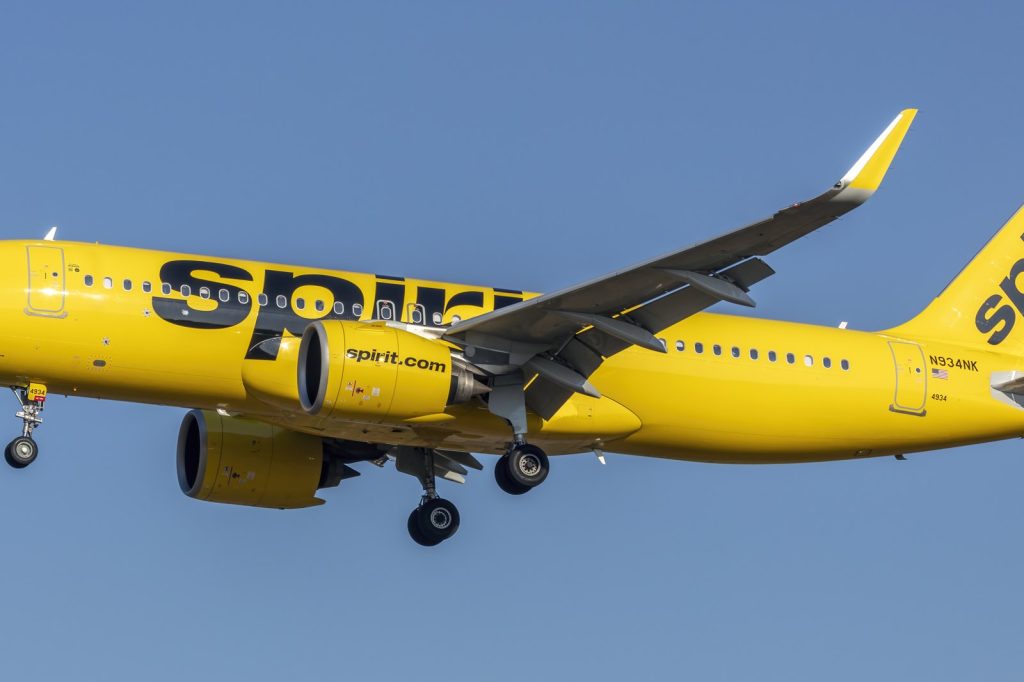
“It is with great disappointment that on May 2, 2026, Spirit Airlines started an orderly wind-down of our operations, effective immediately,” the airline said in a statement early Saturday. All flights were cancelled, and customer service is no longer available.
The end came after talks over a $500 million federal bailout from the White House produced no deal. Spirit, a low-cost carrier that had struggled for years, said it had been proud of its ultra-low-cost model over the last 33 years and had hoped to serve passengers for many more.
Help for stranded passengers
Transportation Secretary Sean Duffy said on Saturday that the Department of Transportation was working with other U.S. airlines to rebook stranded customers. Several major carriers agreed to cap ticket prices and offer reduced fares to affected passengers. Several airlines also said they would help Spirit crew members get home and give preferential interviews to employees who want to stay in aviation.
Fuel, rivals and a failed sale
Spirit, based in South Florida, was under mounting pressure from the war in Iran, which sent jet fuel prices soaring. NPR reported that its troubles ran deeper. The No. 9 U.S. airline by seats faced larger rivals that copied the strategies that had made it successful. Spirit pioneered ultra-low-cost flying by stripping out amenities travelers once took for granted. Bigger legacy carriers answered with basic economy fares of their own.
It tried to sell itself. After a bidding war in 2023, Spirit accepted a $3.8 billion offer from JetBlue. The U.S. Justice Department sued to block the deal, arguing it would hurt budget-conscious consumers, and a federal judge rejected the acquisition. Spirit has filed for bankruptcy twice since 2024.
“When you’re a low-cost carrier, by definition, you’re relying on having a cost advantage. And they just don’t have that anymore,” said Shye Gilad, a former airline pilot and professor at Georgetown University’s McDonough School of Business. “They just don’t have a lot of options left.”
The bailout talks
In recent weeks Spirit had been negotiating with the Trump administration over a $500 million cash infusion in exchange for a significant potential stake in the company. Officials inside the administration disagreed about whether to fund it. On Friday, Trump told reporters at the White House he would like the chance to save the employees’ jobs, but only through “a good deal.” He added: “If we can help them, we will. But we have to come first. We’re first.”
A smaller carrier, still a price check
Cirium data showed Spirit had a 3.9% share of U.S. passengers in February, down from 5.1% in the same month last year. It was poised to fall to 1.8% in May.
Consumer advocates say that even a small Spirit held fares down on the routes it flew. “You do not have to fly a small carrier in order to benefit from its presence, because they will bring down the big guys’ fares,” said William McGee of the American Economic Liberties Project. Without Spirit, he predicted, “everyone will be paying more.”




