
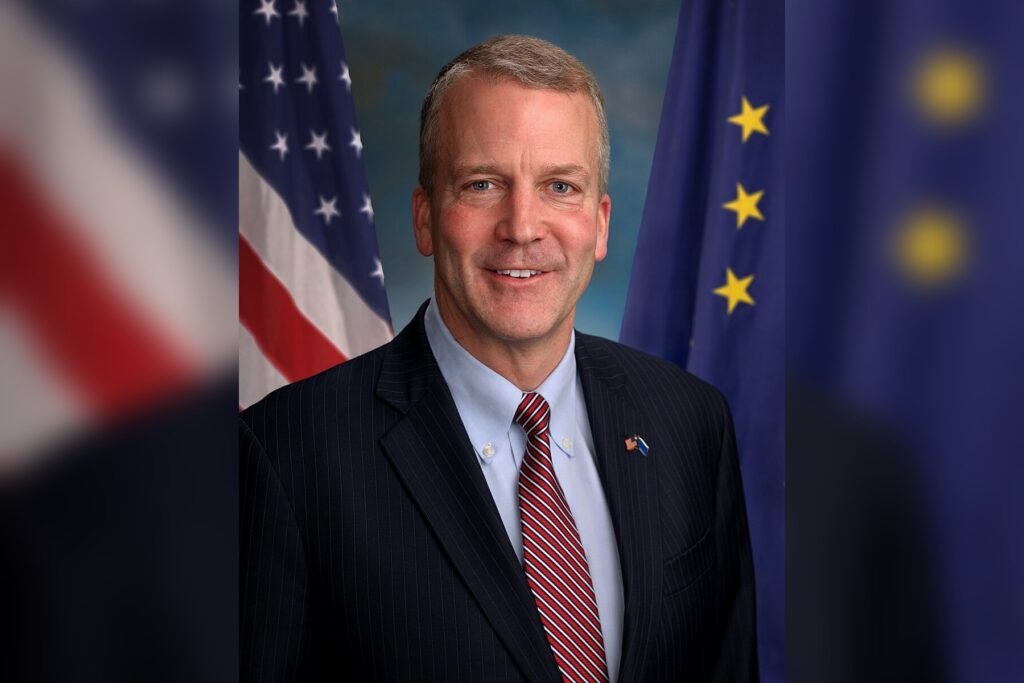
RPM International paid out nearly $350 million in cash dividends and stock buybacks in July, a 7.3 percent increase on the year before. One of the people who benefited is Senator Dan Sullivan of Alaska, who has voted to keep President Trump’s tariffs in place, according to a New York Times report published September 14.
The Times said Sullivan held as much as $5 million in RPM stock, according to his latest financial disclosure. It has been his biggest single holding since he entered the Senate in 2014, when it stood at no more than $1 million. Over the past eight years he sold as much as $800,000 of it. His filings describe those sales as part of “an ongoing long-term portfolio diversification strategy,” managed by an outside financial investor.
A company working around tariffs
RPM makes Rust-Oleum, Roto-Rooter and The Pink Stuff. The senator’s brother, Frank Sullivan, has called the tariffs a huge headache on the company’s earnings calls. To cope, the Times reported, RPM relocated manufacturing, restructured deals with importers, stockpiled some materials and raised prices. Passing some costs on to customers helped the company deliver its 52nd straight year of increased dividends.
On a call, the Times said, Frank Sullivan admitted the company had struggled at first to raise prices fast enough. “It would have been nice to raise prices earlier,” he said. “The challenge with this tariff regime is it’s on again, off again.”
Washington and Alaska
The Times described a split between the two places. In the Senate, Sullivan has been a reliable supporter of the tariffs and has repeatedly opposed measures to end them on Canada, Brazil and dozens of other trading partners. In doing so he broke with Lisa Murkowski, who has warned of “negative impacts in store for Alaskan families and businesses.” At home, campaigning for re-election, he has said little on the subject. Asked last month whether the tariffs had helped voters in his state, he declined to address the policy and talked about tax cuts and domestic energy production instead.
Alaska imports most of its consumer goods and food, and Trump’s new 50 percent tariffs on Canadian exports prompted retaliatory tariffs. Greg Wolf, president of the Alaska International Business Center, told the Times: “It’s certainly not cheaper to do business here or cheaper to be a consumer here than before the tariffs started. Things are more expensive now than before. Everyone knows that.”
Sullivan faces former Representative Mary Peltola, the Democratic nominee, in a race that polls show is close. State Democratic leaders regularly attack what they call “Dan Sullivan’s tariffs.” His campaign declined to comment on his personal finances or on the latest round of tariffs on Canada, and RPM did not respond to requests for comment.




