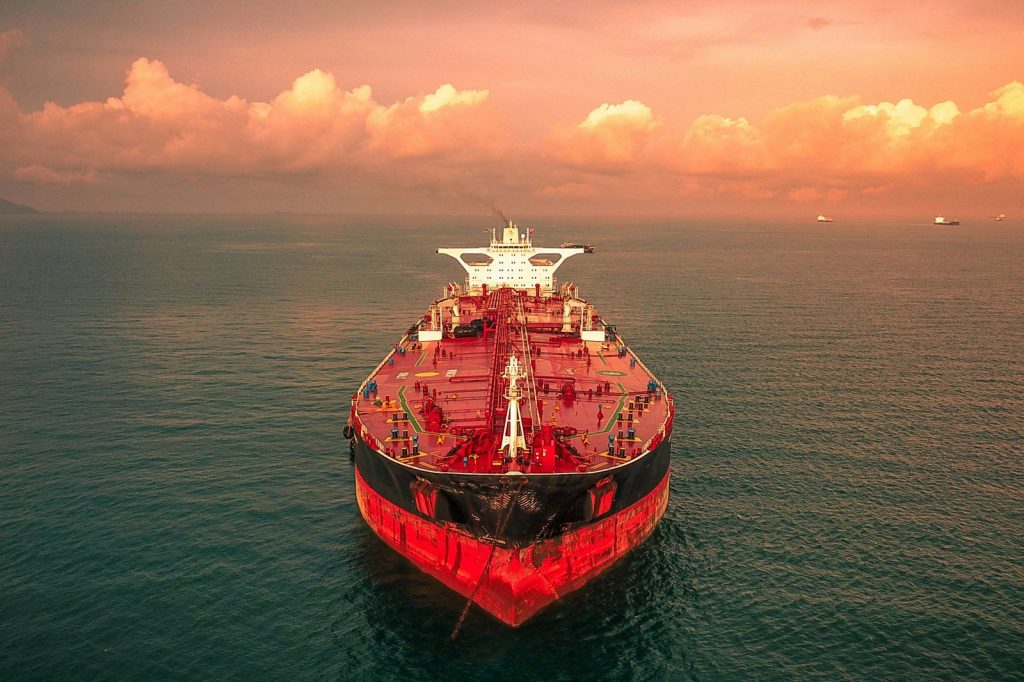
Just 30 to 40 commercial vessels now traverse the Strait of Hormuz each day, a fraction of the 120 to 130 that typically passed through before the 2026 Iran War disrupted one of the world’s most critical maritime chokepoints. That sustained shortfall has left global oil markets under persistent strain, with supplies tightening even as fighting in the region has flared on and off for months.
Commercial Traffic Plunges in Strategic Waterway
The Strait of Hormuz forms the only sea passage out of the Persian Gulf for Iran, Iraq, Kuwait, Qatar, Bahrain, and the United Arab Emirates. For decades, a large share of globally traded petroleum and liquefied natural gas moved through its narrow confines, making the waterway essential for energy-hungry economies in Europe and Asia. Even during previous Middle East conflicts, the strait remained open; Iran occasionally threatened to close it and conducted mining exercises, but prior to the 2026 war the waterway had never been shut for an extended length of time. That changed after hostilities erupted.
A blockade imposed by Tehran became a central flashpoint, triggering what is now called the 2026 Strait of Hormuz crisis. The blockade’s effects are still felt: a large majority of commercial vessels currently observed passing through the strait are heading away from the Persian Gulf, with very few entering it.
Analysts note that once the backlog of vessels that were trapped inside the Gulf is fully cleared, the level of traffic through the strait will likely drop to depressingly low levels.
Global Energy Markets Under Pressure
The world has been running what reports describe as an “oil deficit” for months. That gap has been managed by drawing down commercial oil inventories and tapping strategic national reserves. There had been hope that traffic through the Strait of Hormuz would return to normal before conditions became critical, but that recovery has not materialized. The persistent disruption directly affects global energy markets: any sustained reduction in vessel transits can cause supply shortages and drive up prices for oil and gas.
For the Gulf states that rely on the strait as their only sea route for exports, a prolonged closure poses an existential economic threat. Investors have noted that the price of oil has dropped a bit lower for now, but many analysts caution that the decline will not last.
That will especially be true if full-scale war with Iran erupts again. Fighting has flared up multiple times in recent weeks, and observers say it would not take much to push the situation over the edge. On Wednesday, reports emerged that President Trump has been briefed on options for “a return to all-out war with Iran.”
Uncertain Path Ahead as Fighting Flares
The origin of the strait’s name has uncertain roots. Some scholars link it to a local Persian word meaning “place of dates,” while others connect it to the Zoroastrian deity Hormoz.
Ancient mariners described the opening to the Persian Gulf in the first century, noting the mountainous landmarks on either side. Today, however, the focus is firmly on the waterway’s role as a strategic lifeline that remains choked by war. The crisis in the Strait of Hormuz is not even close to being resolved.
The current traffic figures — roughly 30 to 40 commercial vessels per day versus a pre-war average of 120 to 130 — signal that the blockade’s effects persist even as the conflict has ebbed and flowed. With oil deficits continuing and inventories shrinking, the world remains in a precarious position.
The possibility that President Trump could order a return to all-out war with Iran leaves the future of the strait — and the global energy supplies that depend on it — deeply uncertain.