
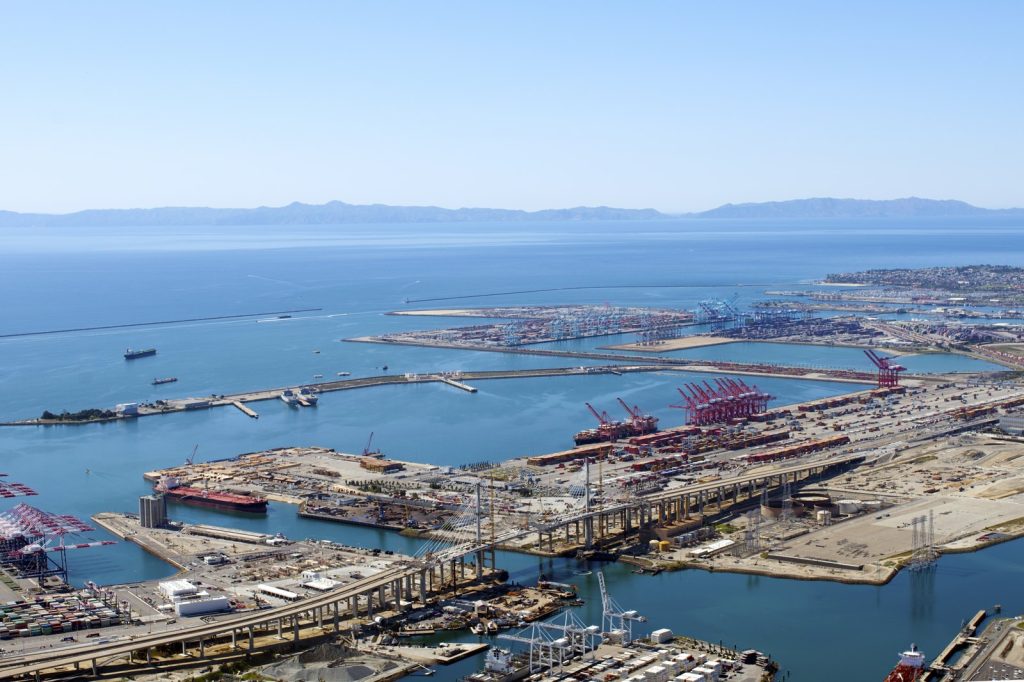
Athens charged a two percent levy on goods unloaded at the docks of Piraeus. That is among the oldest recorded import taxes, and the logic behind it has barely changed in more than two thousand years.
A tariff is a duty a national government, customs territory or supranational union puts on imported goods. The importer pays it. An export tax exists too, though it is the exception, and the exporter pays that one. Revenue is the obvious purpose. But governments also use tariffs to lean on foreign trade and shield local producers.
Some tariffs are fixed, a set sum per unit or a share of the price. Others are variable and move with the price. Either way, the aim is to make imports dearer so that buyers choose local goods. Supporters say that stimulates the domestic economy, eases foreign competition and narrows the trade deficit. They have long argued for tariffs to shelter infant industries and to allow import substitution, which means building up home production to replace what was bought abroad. A tariff can also offset artificially low prices caused by dumping, export subsidies or currency manipulation.
What economists say
Economists are close to unanimous that tariffs defeat their own purpose and drag on growth and welfare, while freer trade helps. Milton Friedman put it sharply: “We call a tariff a protective measure. It does protect . . . It protects the consumer against low prices.”
The cost lands on the importer, the exporter and the consumer. A duty meant to help one industry can hurt it, because inputs get more expensive and other countries retaliate. Exporters at home can also suffer when supply chains are disrupted. Lower trade barriers are not painless either. Gains and losses are spread unevenly, and workers in import-competing sectors can face dislocation in the short run.
A long record
The word itself comes from the Arabic taʿrīf, “proclamation” or “information”. It reached European languages in the 16th century through trade with the Levant, first appearing in Italian. Athens also limited lending and grain transport to the port of Piraeus, a major eastern Mediterranean harbour where grain was a key import.
In 14th-century England, Edward III banned imports of woollen cloth to build up local manufacturing. Henry VII raised export duties on raw wool from 1489. The Tudors, Henry VIII and Elizabeth I in particular, went further, using subsidies, monopoly rights and state-sponsored industrial espionage to protect the wool trade.
Robert Walpole turned British policy toward manufacturing in 1721, raising tariffs on foreign manufactured goods and cutting them on raw materials. By 1820 the average UK tariff on manufactured imports stood at 45 to 55 percent. The Corn Laws of 1815 kept grain prices high for farmers, and they pushed up food costs for everyone else. Repeal came in 1846, which economic historians regard as the decisive move toward free trade in Britain. A 2021 study found it benefited the bottom 90 percent of earners and cost the top 10 percent.
Not everyone followed. The United States came out of its Civil War more protectionist than before, and Germany under Bismarck rejected free trade. Britain itself brought back large-scale tariffs in 1932, in response to the Great Depression.
In the United States, economist Douglas Irwin divides tariff history into three eras. Revenue dominated from 1790 to 1860, when import duties made up about 90 percent of federal receipts. Protection of domestic industry took over from 1861 to 1933. Trade agreements were the main goal from 1934 to 2016.




