
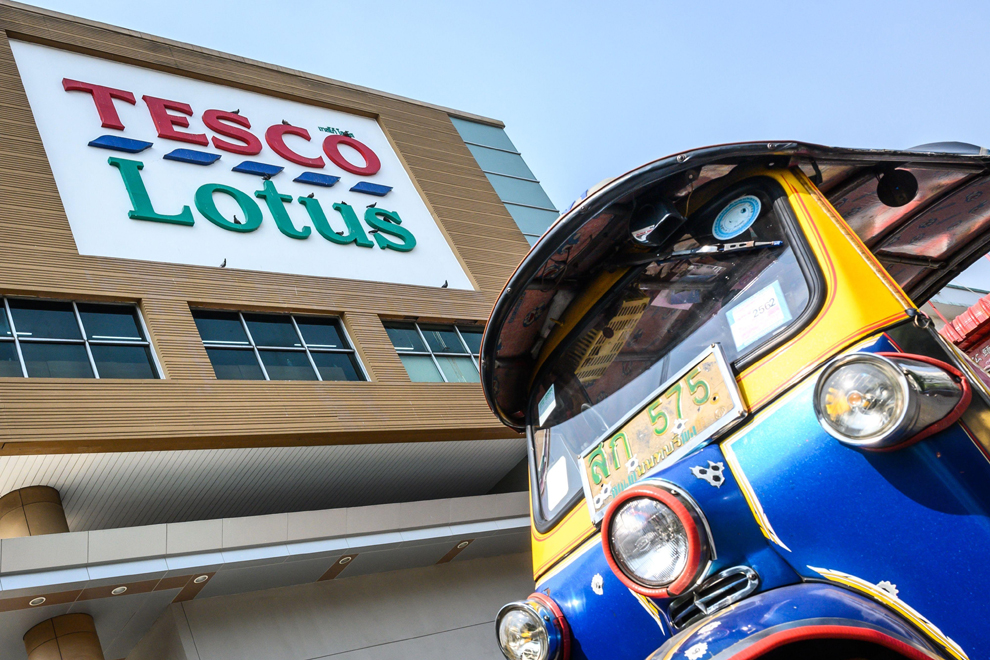
On 17 January 2020 Tesco’s plan to sell its Thai and Malaysian retail operations encountered a barrier when Thailand’s competition authority warned that any buyer acquiring more than half of the local market must first obtain approval or risk prohibition and fines. The Office of Trade Competition Commission (OTCC) said the three remaining bidders for Tesco’s roughly 2,000 stores are all Thai conglomerates whose combined share would exceed the 50 percent limit set by the 2017 Trade Competition Act.
Chairman Sakon Varanyuwatana told reporters the commission will review the transaction once a preferred bidder is selected and stressed that it has the power to block the deal if it believes the merger would create a monopoly. The OTCC’s statement effectively freezes the auction until the regulator signs off. Under the Trade Competition Act, parties must file a merger notification if the deal value exceeds 1 billion baht (about $33 million) or if the buyer will hold at least 25 percent of a market already dominated by a few firms.
Violating the rule can lead to an administrative fine of up to 0.5 percent of the transaction value. Tesco’s Thai business alone accounts for about 28 percent of the country’s supermarket, hypermarket and convenience‑store sales, according to Euromonitor data released earlier that month, meaning any of the shortlisted buyers would automatically surpass the statutory threshold.
Bidder Profiles Raise Concentration Concerns
The three contenders are well‑known Bangkok conglomerates: Charoen Pokphand Group (CP), Central Group and the TCC Group controlled by billionaire Charoen Sirivadhanabhakdi. CP holds the master franchise for 7‑Eleven in Thailand, operating more than 12,000 convenience stores; Central runs the Big C hypermarket chain; and TCC controls the wholesaler Makro.
Analysts warn that even after possible divestments the overlap is so large that any of these groups taking over Tesco Lotus would create a dominant player with unrivalled buying power over suppliers. Retail analyst Nattapon Triratanasirikul of Kasikorn Research Center noted that such a combination could give the buyer more than half of the convenience, supermarket and hypermarket retail landscape. Tesco placed its Thai and Malaysian units on the market in December 2019 as part of CEO Dave Lewis’s strategy to reduce debt and refocus on the British core.
Credit Suisse and Goldman Sachs are advising on the sale, which initially attracted interest from private‑equity firms KKR and Baring Asia; both withdrew over price concerns. The remaining Thai bidders are now considering whether to restructure their offers as consortiums or to carve out stores to lower market share, according to people familiar with the process.
Malaysia Presents Fewer Obstacles
While Thailand dominates the asset package, about 200 Tesco stores in Malaysia are also included. Malaysian competition law is looser: a transaction must be notified only if the combined Malaysian turnover of the parties exceeds 150 million ringgit (about $36 million) and the worldwide turnover of the target tops 500 million ringgit.
Tesco Malaysia satisfies both criteria, but its market share is far lower—roughly 8 percent of grocery sales—so approval is expected to be routine. One banker involved in the talks summed up the situation by saying “Malaysia is not the problem; Bangkok is.”
Timing and Market Reaction
Bankers had hoped to finalize definitive agreements before Tesco announces its full‑year results in April, allowing the British group to book the proceeds in the current fiscal year. The OTCC review could add three to six months to the timeline, jeopardising that schedule. Varit Pakdeekul, a partner at Chandler MHM, a Bangkok law firm specialising in competition matters, warned that longer delays give buyers leverage to chip away at the price. Tesco declined to comment beyond




