
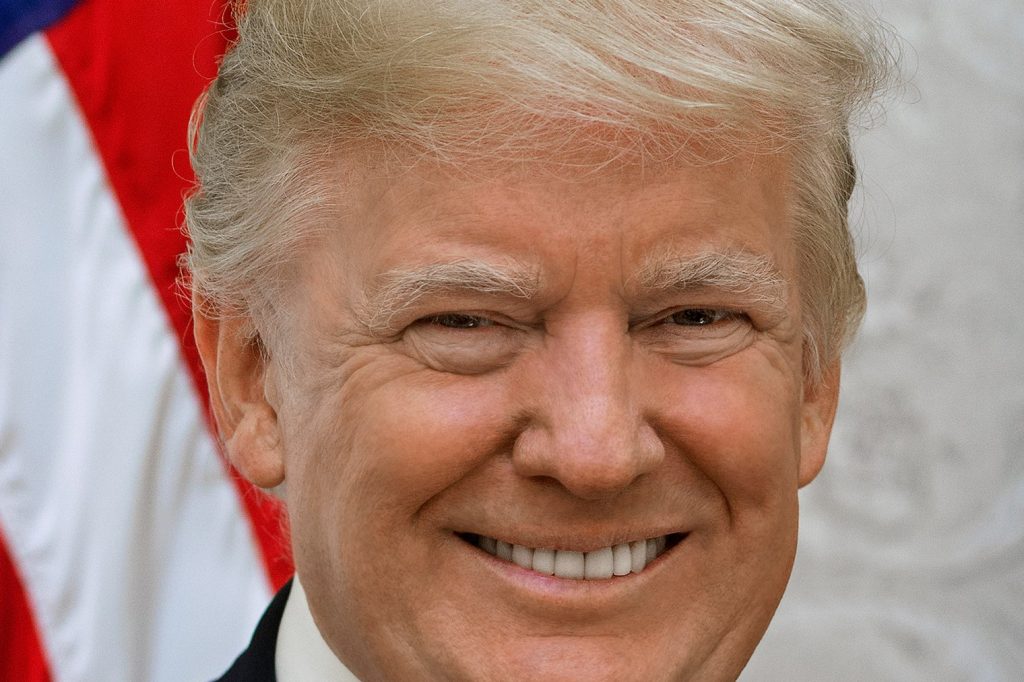
The Trump administration is actively weighing the use of tariffs on Russian crude oil and petroleum products imported into the United States, a policy tool that could carry significant consequences for global energy markets even as America’s direct reliance on Russian oil remains modest. The measure, still under internal discussion, would rely on the U.S. Customs and Border Protection to collect the tariff at the point of entry, according to a source familiar with the deliberations. No final decision has been announced as of this report.
The United States currently imports relatively little Russian oil — roughly 672,000 barrels per day in 2021, representing about 3 percent of total U.S. oil imports. That limited volume means the direct impact on American consumers from a tariff on Russian imports alone may be contained.
The exact tariff rate has not been specified, but based on historical precedents, it could range from 10 percent to 50 percent. A tariff is a tax imposed on imported goods, typically calculated as a percentage of the product’s value, and in this case it would apply specifically to Russian crude oil and petroleum products entering the country.
Direct Tariff Mechanism
The proposed mechanism is straightforward: upon entry into the United States, Russian oil shipments would be subject to a duty collected by Customs and Border Protection. This approach has been a staple of trade policy for centuries, used by governments to raise revenue, protect domestic industries, or exert leverage over other nations.
In the energy sector, tariffs on imported oil have been considered or applied at various times to shield local producers or to respond to international conflicts. Such measures rank among the most widely used instruments of protectionism, often paired with import quotas or other trade barriers. An oil tariff is a tax imposed on crude oil or petroleum products brought into the country, paid by the importer as a percentage of the product’s value.
These duties can alter the flow of global trade, especially for a commodity as widely traded as oil, and may encourage domestic production by making foreign supplies more expensive. The debate over oil tariffs matters now because energy prices affect virtually every consumer, and even when direct imports from a targeted country are small, the broader market dynamics can ripple outward.
Secondary Tariff Approach
Beyond direct imports, the administration is also considering tariffs that could be applied to countries that continue to buy Russian oil, a mechanism reminiscent of secondary sanctions. This secondary tariff system would target third-party nations, broadening the economic pressure beyond the bilateral trade relationship and potentially reshaping global crude flows. Such an approach would make the tariff policy a tool not merely for influencing Russian behavior, but for altering the behavior of other nations that engage in energy trade with Moscow.
The source shows that this secondary tariff mechanism is under consideration as a way to amplify the reach of any direct tariff. By penalizing third-party buyers, the United States could extend its economic leverage well beyond its own relatively small import volumes, creating a broader incentive for countries to reduce their purchases of Russian oil.
Global Market Consequences
If implemented, such tariffs could raise global oil prices by reducing supply. The source indicates that Russia might cut production in response to the tariffs.
The International Monetary Fund estimated in 2023 that a 10 percent reduction in Russian oil exports could increase global oil prices by 5 to 10 percent. This price effect could affect consumers worldwide, including in the United States, even though direct imports from Russia are limited. OPEC+, the producer group that includes Russia and Saudi Arabia, could also adjust production quotas in response, further affecting market stability.
The interplay between tariff policy and OPEC+ decisions adds a layer of complexity to the global oil market outlook. The exact tariff rate has not been set, but the range of 10 to 50 percent is based on historical precedents.
What to watch in the coming weeks is whether the administration specifies the tariff rate and which countries might face secondary tariffs. The global oil market response, including any production adjustments by Russia or OPEC+, will determine the broader economic impact. The source shows that the tariff mechanism remains under consideration, with no final decision announced as of this report.




