
A Gap the Size of a Harvest
Oilseed farmers, millers and officials gathered in Lira City, hub of the mid-northern oilseed region, on Tuesday, May 19, 2026, for a stocktaking meeting, and the arithmetic they heard was blunt. Uganda wants to feed itself vegetable oil. Instead, domestic production leaves a shortfall of nearly 370,000 metric tonnes, and the country is covering it with imports that are getting more expensive by the year. The human side is what fills the room: the smallholders who grow the sunflower, sesame, groundnuts and soybeans the program was built around.
The National Oil Seeds Project entered its fourth year in 2026, and officials now say the sector has to “do it better” if Uganda is to hit its targets before the work wraps up in 2028.
What the Project Set Out to Do
Launched in 2021 as a seven-year effort, NOSP is run by the government through the agriculture ministry and the Ministry of Local Government, paid for with a loan from the International Fund for Agriculture Development and the Opec Fund for International Development. Its stated aim is rural transformation built on a commercial oilseeds sector. The plan organizes farmers into six area-based hubs spread over 81 districts, clustering 120,000 smallholder households, with women set at 60% of the beneficiaries and youth at 40%. Two components carry it: developing the oilseed value chain itself, and building the local roads that let harvests reach markets.
The Numbers Tukei Laid Out
Emmanuel Moses Tukei, a project agronomist with the agriculture ministry, put the scale of the problem in figures. Uganda’s “annual domestic demand for vegetable oils stands at 450,000 metric tonnes”, he told the meeting, a number that climbs every year as the population grows. Current output is 80,000 metric tonnes, with oil palm providing 40,000 of it. The import bill for the missing oil runs to $300 million.
The machinery, too, is waiting. Uganda has roughly 112 mills, most of them small and medium operations, yet “operation is at 48.8%, meaning it leaves us a gap of 51.2%”. Behind that idle capacity are farmers who need somewhere to sell and processors who need a steady supply of seed.
Where the Plan Is Working
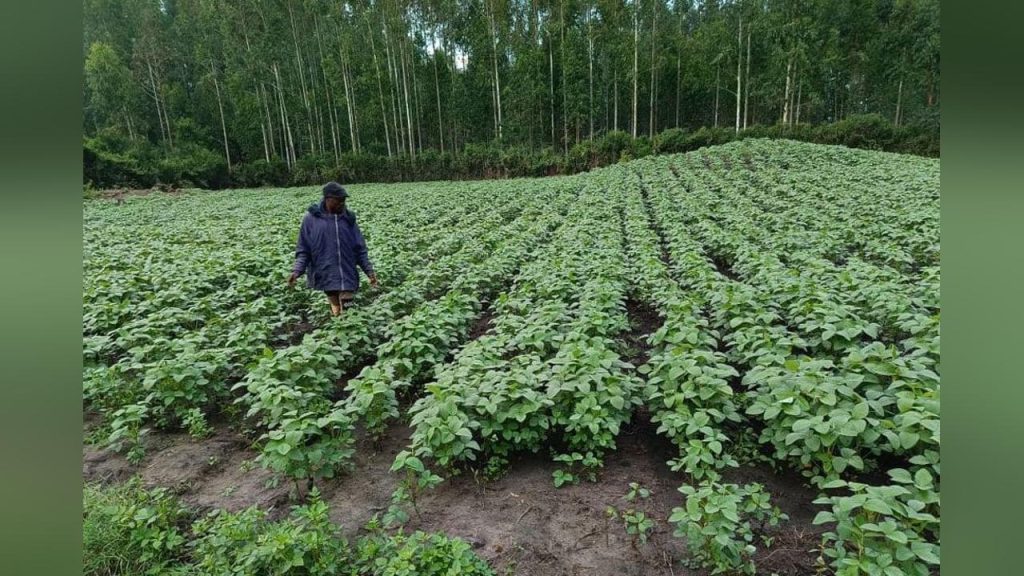
Some districts show what the model can do. In Oyam, agricultural officer Tommy Opio reported 11 kilometers of campaign roads completed, eight farmer groups mobilized, 16 Local Seed Businesses plus 30 off-takers brought in, and demonstration plots for all four crops established between 2023 and 2026. In all, “120 quality-declared seed gardens and 240 grain production gardens were utilised to train farmers on improving yields”.
Seed, though, remains the sore point. Uganda leans on imported sunflower seed, buying mainly from Kenya, Egypt and the United Arab Emirates, and “Last year, limited importation of Pannar hybrid seed from South Africa led to a severe shortage.” Farmers who had money still could not get planting material. NOSP is now pushing local varieties and multiplication gardens for sunflower, and Tukei predicted that “Once this seed is available to farmers, the access challenge will be history”.
Weather adds its own pressure. Flooding in low-lying areas such as Teso, and droughts that arrive when the crop is flowering, have cut yields and left growers exposed. Denis Otim Otto, the deputy chief administrative officer for Lira District, framed the logic simply: “Government is targeting specific areas to produce oilseeds, because our demand far exceeds what we produce.”
With the deadline bearing down, Tukei’s closing argument was directed at the country’s own fields: “We need to break free from the import cycle and cultivate our own oilseed revolution”.
Sources
- NOSP – Ministry of Agriculture, Animal Industry and Fisheries
- Uganda’s oilseed ambitions stalled by 370,000-tonne shortfall | Monitor




