
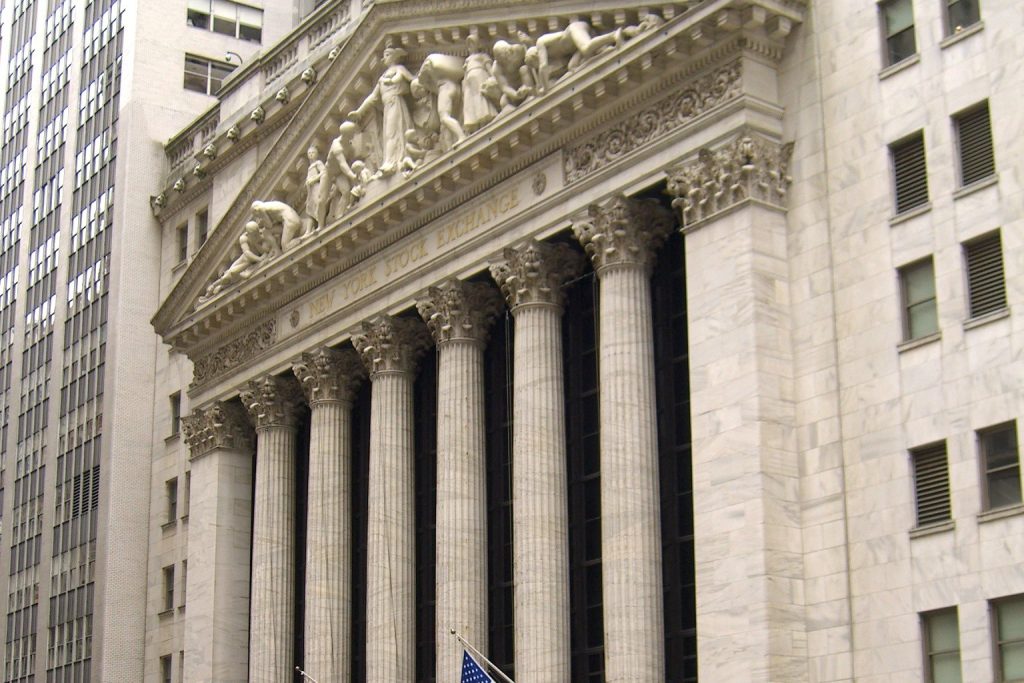
NEW YORK — The S&P 500 posted its worst one‑day percentage drop since late July as hotter‑than‑expected inflation data triggered a broad market sell‑off, with investors rapidly adjusting expectations for Federal Reserve policy. By the numbers, the Dow Jones Industrial Average fell more than 600 points, the S&P 500 declined by over 2%, and the Nasdaq Composite dropped more than 2.5% in a single session. The decline marked the largest one‑day percentage loss for the S&P 500 since July, underscoring renewed sensitivity to inflation trends after months of relative stability.
The sell‑off followed the release of the core Personal Consumption Expenditures (PCE) price index, the Federal Reserve’s preferred inflation gauge, which showed consumer prices rising more than forecast at an annual rate. The data indicated that inflation remains stubbornly elevated, reducing expectations for near‑term interest rate cuts.
Traders responded by increasing the probability that the Fed will maintain restrictive monetary policy for longer than previously anticipated. This shift was reflected in heightened activity across major exchange‑traded funds tracking broad market indices, as trading volume surged in reaction to the report. The impact was widespread, with technology, consumer discretionary, and industrial sectors hit hardest due to their sensitivity to interest‑rate expectations.
Growth‑oriented stocks bore the brunt of the decline, while energy and defensive sectors showed relative resilience amid the volatility. Analysts noted that the combination of hotter‑than‑expected inflation and resilient economic data has complicated the Fed’s policy path, increasing uncertainty about the timing and magnitude of future rate adjustments.
No specific company earnings or official statements were cited in the source material driving this reaction. A stock market crash is defined as a sudden, dramatic decline in prices across a broad section of the market, often driven by panic selling and underlying economic pressures. While there is no numerically specific threshold, the term commonly applies to drops exceeding 10% in an index over several days.
Crashes differ from bear markets, which unfold over months or years, though they can occur within broader downturns. Historical examples include Black Monday in 1987, when the Dow Jones fell over 20% in a day without triggering a prolonged bear market, and the Japanese asset price bubble burst of the 1990s, which declined gradually over years without sharp crashes. These cases show that crashes are not inevitable companions to long‑term declines but can emerge abruptly under specific conditions.
Market crashes often follow periods of rising valuations, elevated price‑to‑earnings ratios, and increased use of leverage. External shocks — such as sudden inflation spikes, policy shifts, or geopolitical events — can act as catalysts when investor sentiment turns sharply.
This move illustrates how quickly sentiment can reverse when core economic data contradicts expectations of monetary easing. Investors will now watch upcoming inflation prints and Fed communications for signals on whether this volatility persists or eases.




