
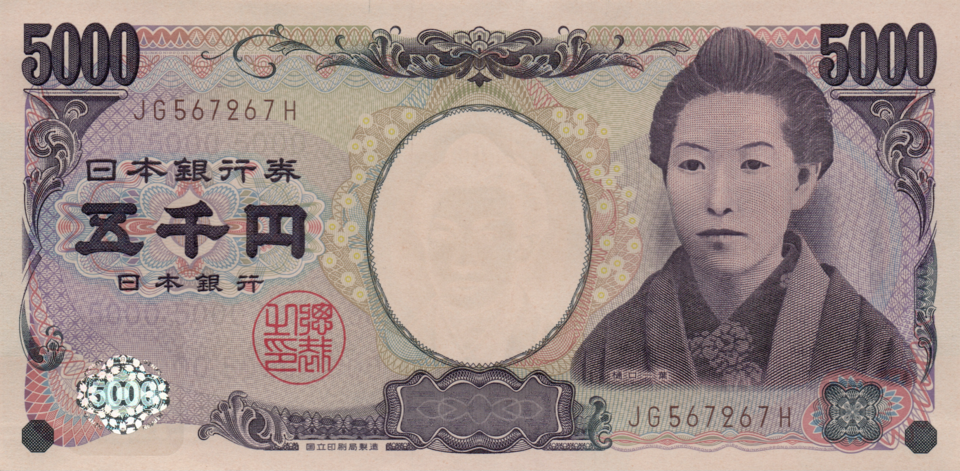
On Monday, June 29, the yen touched 161.98 to the dollar in New York trading, its weakest showing since 1986. Bloomberg reported that the move broke through the 161.95 level reached in July 2024, during an earlier campaign by Japan to prop up the currency.
Forty years ago the yen was heading the other way. It was midway through a long rally that followed a currency accord engineered by the United States. Japan’s asset bubble was still forming, the Soviet Union was cleaning up after Chernobyl, and Top Gun had just made Tom Cruise a star.
A record intervention that did not hold
Japan has already tried to stop the slide. The government spent a record 11.73 trillion yen, roughly $73.6 billion, between April 28 and May 27, after the currency first fell past 160 to the dollar. The statisticsoftheworld.com site says the yen recovered to 153 for a time, then resumed falling. Bloomberg notes the spending probably meant drawing on foreign holdings, including US Treasuries.
The Bank of Japan raised its benchmark rate to 1 percent on June 16, the highest since 1995. The effect on the currency was small. Traders expect the Federal Reserve to stay hawkish, and the Fed’s rate sits at 3.50 to 3.75 percent, according to statisticsoftheworld.com, a gap of 275 basis points.
Finance Minister Satsuki Katayama said on June 19 that authorities were ready to take “bold action” against excessive speculative moves. After meeting US Treasury Secretary Scott Bessent, she said Washington and Tokyo were increasingly “aligned” on foreign exchange policy.
Traders are bracing. “Intervention is right around the corner if we don’t see a quick correction,” said Andrew Hazlett, a foreign-exchange trader at Monex. He added that it would be “only a temporary fix if they do not address the interest-rate differential.”
Brendan Fagan, a Bloomberg macro strategist, put it more bluntly. “Absent official action, there’s no reason for the yen to arrest its structural decline,” he said.
Winners and losers at home
A weak yen swells the earnings of exporters, and that has helped push Japan’s stock market to record highs. Toyota, the world’s largest automaker, earns about 80 percent of its revenue abroad. The Nikkei 225 hit 41,000 in June, according to statisticsoftheworld.com.
Households see the other side. Oil and gas are priced in dollars, so import costs are climbing, and Bloomberg says consumers are paying more for everything from food to electricity. That pressure threatens the popularity of Prime Minister Sanae Takaichi’s government. One estimate puts imported food prices up 15 to 20 percent over two years, and a Hawaii trip that cost 300,000 yen in 2021 now costs 450,000 yen.
Ranking tables shifted too. Measured in dollars, Japan’s economy shrinks as the yen falls. By the site’s account, India passed Japan as the fourth-largest economy in late 2025, and Japan has dropped from third to fifth in three years.
Why the Bank of Japan has little room
Raising rates further is hard. Japan’s government debt stands at 204 percent of GDP, the highest among major economies, according to statisticsoftheworld.com. Population aging and decline have clouded growth prospects, Bloomberg says, and the debt pile weighs on any appetite for large hikes. The government is also expected to ask for “appropriate” monetary management in its basic policy guidelines, an apparent effort to discourage the central bank from tightening again.
The next policy meeting is July 31. Bloomberg’s consensus, as cited by the same site, expects a quarter-point increase to 1.25 percent.
Sources
- The Yen Just Hit a 40-Year Low: What ¥162 per Dollar Means for the World Economy
- Yen hits 40-year low in historic slide that’s rattled Japan




