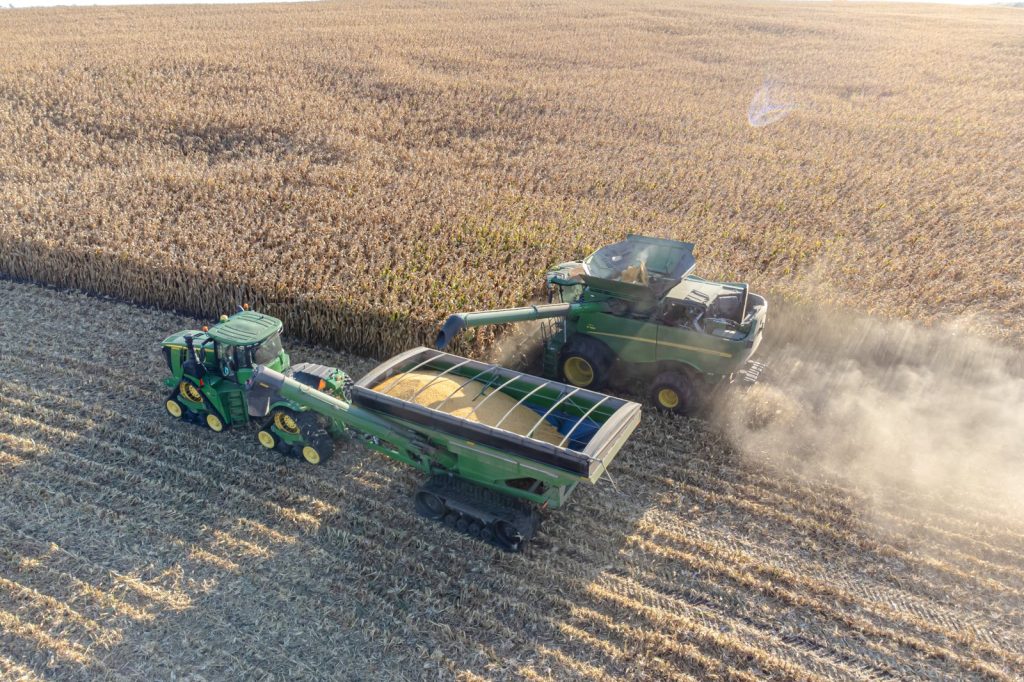
Kermanshah Province, in western Iran, produced about 5.75 million tons of agricultural goods in the Iranian year that ended March 20, 2026, the best result the province has recorded. Saeed Karimi, who heads the provincial agriculture department, gave the figure to the Trend news agency on July 6.
“In the past Iranian year, 4.85 million tons of crops, 601,000 tons of livestock products, and 301,000 tons of garden products were produced in Kermanshah Province,” Karimi said. “This is considered a record figure for the province.”
Land, farmers and animals
Farming ran across roughly 903,000 hectares during the period. Of that, 862,000 hectares were arable land and 41,000 were gardens. Karimi said 153,000 farmers worked in the province last year.
The livestock count stands at 3.4 million animals, with 550 poultry farms. Pressurized irrigation systems now cover 133,000 hectares, and 55 agricultural centers serve farmers.
Where it ranks nationally
Kermanshah leads Iran in chickpeas. It is second in sunflowers, third in corn and sugar beets, fifth in wheat and figs, sixth in saffron and seventh in walnuts and olives.
Karimi said the numbers show the province holds “an important place in ensuring the country’s food security and agriculture.”
The province covers about 2.5 million hectares in all. Natural resource areas make up 74 percent of that, including 527,000 hectares of forest and 1.19 million hectares of pasture.
Water remains the worry
Trend’s own analysis says water shortages and droughts have been serious problems for Iranian agriculture and food security in recent years. As a result, attention has turned to growing crops that need little water so farmland is used as fully as possible. Trend also credits Iran with significant progress in the sector and says investment and support for farmers will matter for keeping it up.
Other provinces are courting outside partners. East Azerbaijan governor Bahram Sarmast told Trend his province is working to attract investors for joint ventures with Azerbaijan, with poultry farming and food processing as the main focus. The province also has copper and gold deposits, and it is offering foreign investors space in its industrial parks while pushing exports to neighboring countries.