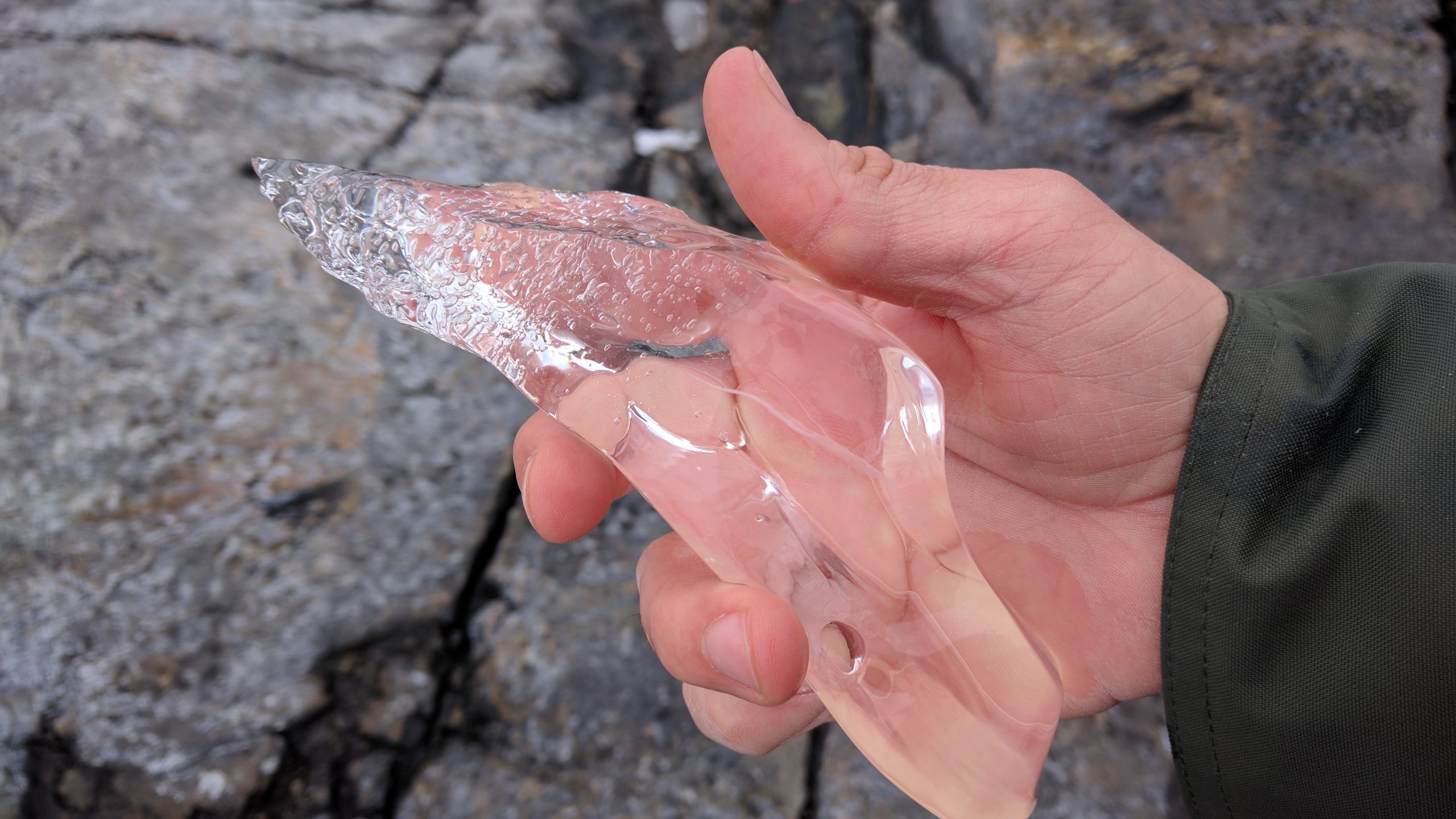
Antarctica, the Earth’s southernmost and least-populated continent, is a vast and unique landmass, situated almost entirely south of the Antarctic Circle and surrounded by the Southern Ocean. With an area of 14,200,000 km2 (5,500,000 sq mi), it is the fifth-largest continent, being about 40% larger than Europe. The continent contains the geographic South Pole and is characterized by its extreme climate, with the Antarctic ice sheet covering most of its surface.
The Antarctic ice sheet is a significant feature of the continent, with an average thickness of 1.9 km (1.2 mi). This massive ice sheet holds about 70% of the world’s freshwater reserves, which, if melted, would have a profound impact on global sea levels, raising them by almost 60 metres (200 ft). The ice sheet is also a key factor in Antarctica’s extreme climate, which is, on average, the coldest, driest, and windiest of the continents. The continent’s average elevation is the highest among all the continents, making it a unique and inhospitable environment.
Despite the harsh conditions, Antarctica is home to a range of native species, including mites, nematodes, penguins, seals, and tardigrades. These species have adapted to the extreme conditions, with some, such as penguins, being well-known for their ability to thrive in the cold and windy environment. Where vegetation occurs, it is mostly in the form of lichen or moss, which are able to survive in the limited areas where the climate is slightly more temperate. The coastal regions of Antarctica can reach temperatures over 10 °C (50 °F) in the summer, providing a brief period of relative warmth in an otherwise frozen landscape.
The climate of Antarctica is characterized by low precipitation, with annual precipitation of over 200 mm (8 in) along the coast and far less inland. This makes the continent a polar desert, with limited vegetation and a sparse population of animals. The extreme cold and dryness of the continent also make it an ideal location for scientific research, with many countries operating research stations on the continent. These research stations provide valuable insights into the continent’s unique environment and climate, as well as the impact of global climate change on the continent.
Antarctica holds the record for the lowest measured temperature on Earth, −89.2 °C (−128.6 °F), making it one of the most extreme environments on the planet. The continent’s unique climate and geography make it an important location for scientific research, with many countries investing in research programs to study the continent’s environment and climate. The continent’s extreme conditions also make it a challenging location for human exploration, with many expeditions and research programs requiring careful planning and preparation to ensure safety and success.
Looking to the future, Antarctica is likely to remain an important location for scientific research and exploration. As the global community continues to grapple with the challenges of climate change, the continent’s unique environment and climate make it an ideal location for studying the impacts of climate change. With its extreme conditions and unique geography, Antarctica is likely to remain a fascinating and important location for research and exploration, providing valuable insights into the Earth’s climate and environment. As research and exploration continue to uncover the secrets of this unique continent, it will be important to watch for new discoveries and findings that shed light on the complex and fascinating environment of Antarctica.