
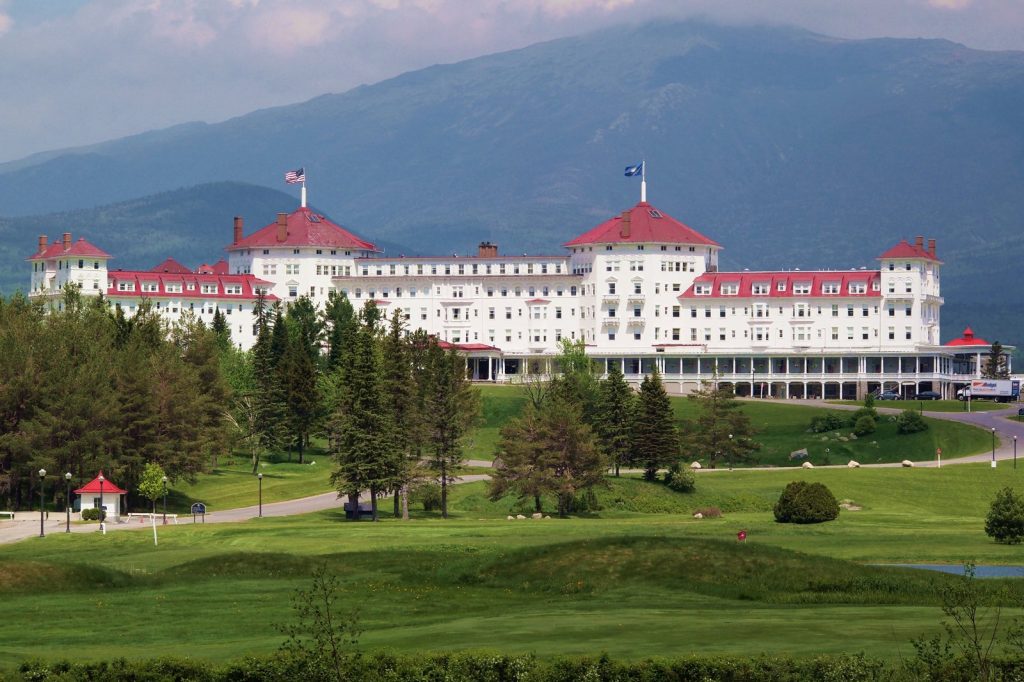
Every time a country buys oil, the dollar tends to sit in the middle of the deal. That did not happen by accident. It was negotiated in July 1944 at the Mount Washington Hotel in Bretton Woods, New Hampshire, where 44 allied nations met to design the postwar money system.
Here’s what it means, in plain terms. The United States came to that hotel holding two-thirds of the world’s monetary gold, according to economist Jomo Kwame Sundaram. Everyone else needed dollar loans to trade and rebuild. So the US offered a deal: it would swap an ounce of gold for $35, and every other currency would be fixed against the dollar, adjustable only with IMF approval. Think of a bicycle wheel. The dollar was the hub, and each currency was a spoke bolted to it.
The plan that lost
It was not the only plan on the table. John Maynard Keynes, speaking for a Britain weighed down by war debt, wanted a new reserve currency called Bancor, run by an international clearing union so that no single nation’s money could dominate. ABC’s Alan Kohler notes that Keynes would also have charged interest on big trade surpluses, putting pressure on creditors as well as debtors. Harry Dexter White, the lead US delegate, dominated the conference, and his version won.
The meeting also created the International Monetary Fund and the World Bank. Each member got a quota, partly paid in gold and its own currency, which set its voting weight and how much it could borrow.
Cracks in the hub
Jomo argues the peg was vulnerable by design. For it to work, the world needed a growing supply of dollars, while the US needed enough gold to honor every claim. By the 1960s that stopped being true. American gold reserves, almost $20 billion shortly after the war, were halved by 1971, while foreign governments and central banks held dollar claims of more than $50 billion.
Washington tried patches. In late 1961 it organized seven European central banks into the London Gold Pool to hold the price at $35. France quit the pool in June 1967, and Britain devalued the pound that November. A new reserve asset, the Special Drawing Right, arrived in 1969.
None of it was enough. In 1971 President Richard Nixon unilaterally ended the dollar’s convertibility to gold, the move known as the Nixon Shock.
Why the dollar survived
You might expect the dollar to have fallen with the peg. Kohler writes that it grew more powerful. After the 1973 oil shock, the US struck a deal with Saudi Arabia that oil would be priced exclusively in dollars, so every country needed large dollar reserves to buy energy. Nations that earned dollars through trade then bought US Treasury bonds, which in effect lent money back to Washington.
Kohler also points out the cost to the US: an overvalued currency that hollowed out manufacturing, and government debt of $US38 trillion. Some economists and finance ministers are now revisiting Keynes’s Bancor idea. In his view, that will probably take another meeting like Bretton Woods.
Sources
- The Dollar-Gold Standard’s Lingering Demise — Global Issues
- Keynes's Bancor idea needs revisiting in wake of Trump – ABC News




