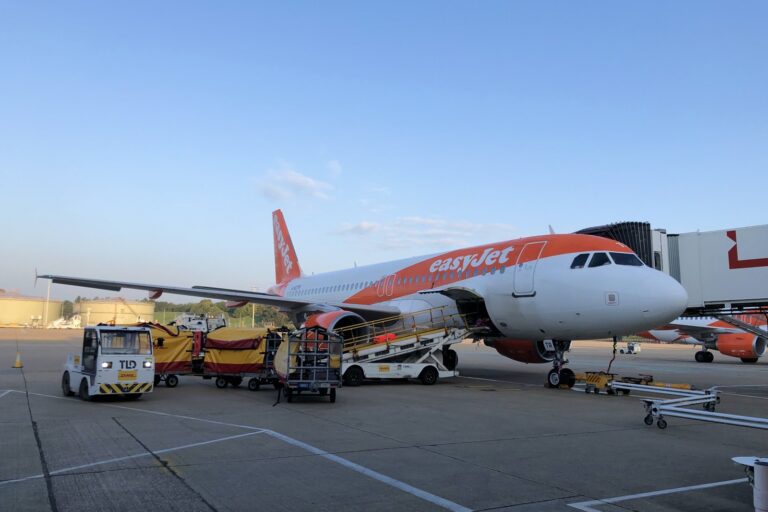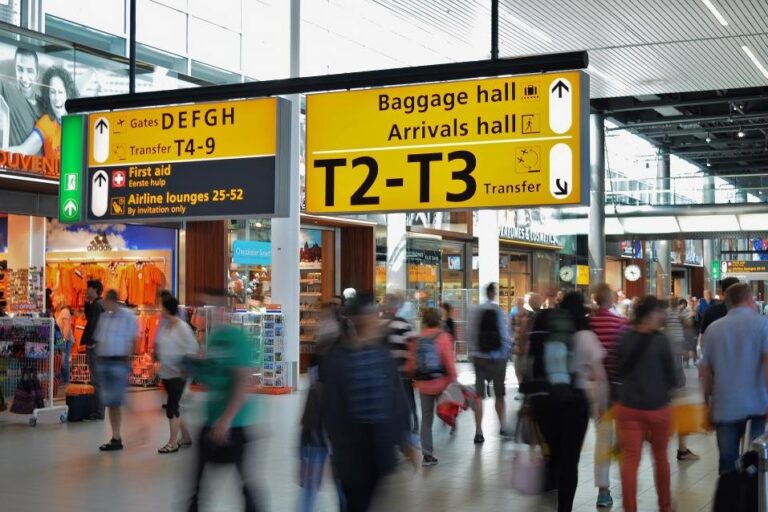
Mumbai’s airport operator wanted to move 265 of its 770 weekly international departures to Navi Mumbai starting October 25. That is 34.4 percent of the total, and airlines said no. Mumbai International Airport Ltd (MIAL) has now stepped back: on October 13 it said existing international allocations would stand through the winter schedule, which runs from October 25, 2026, to March 27, 2027.
Why MIAL wanted the slots
The reason is Terminal 1 at Chhatrapati Shivaji Maharaj International Airport (CSMIA) in Santacruz. T1, on the Vile Parle side, handles domestic flights only and is due to be demolished and rebuilt in parts. The first phase was scheduled to start on January 15, 2027, with the north section of T1B, about a third of the terminal’s capacity, coming down. About 5 million domestic passengers a year would be displaced. T2, on the Andheri East side, handles international traffic, and MIAL proposed cutting international slots there to make room for them.
The October 1 proposal would have affected 46 Indian and foreign airlines and removed roughly 38 departures a day. Adani Airports said it was offering carriers the option to relocate to Navi Mumbai temporarily, at their discretion, with support for the move.
What the airlines said
The civil aviation ministry stepped in early in October. Airlines pointed out that the winter schedule had been approved in June, and that aircraft deployment and bookings were already under way. IATA wrote to the ministry objecting to what it called a “forced relocation” and asked whether Navi Mumbai was ready to support the affected services. After the October 13 meeting, MIAL said any later transfer would follow consultations with individual airlines, and proposed that “traffic balancing” begin in summer 2027.
The Airline Operators Committee (AOC) then wrote to MIAL. It “categorically rejects any unilateral traffic reallocation, slot reduction or cancellation or relocation of international operations without due process,” and said MIAL must follow the civil aviation ministry’s May 2013 slot guidelines and IATA’s Worldwide Airport Slot Guidelines. Individual consultations, it said, could not be treated as collective acceptance.
It also questioned the numbers. T1 handles fewer than 10 million passengers a year against a capacity of 15 million, and T2 is expected to add 5 million of capacity by March 2027. “No substantiated justification has been provided for reducing or cancelling slots,” the letter said. The AOC wants a full T1 refurbishment plan first, covering scope, structural safety, phases and timelines, and a written assurance that no action on slots will be taken before real consultation. The next meeting between airlines and the airport operators is set for October 28.
The new airport and the commute
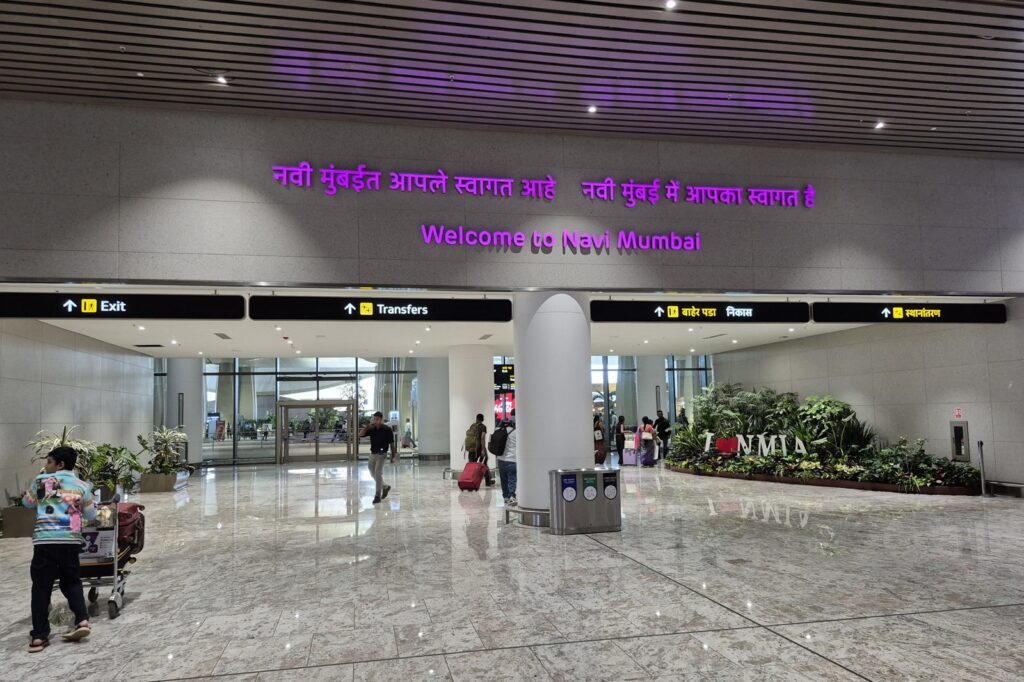
Navi Mumbai International Airport sits in Ulwe, Raigad district. It opened on October 8, 2025, and began commercial flights on December 25, 2025. It has one 3,700-metre runway and a terminal with a first-phase capacity of 20 million passengers a year, plus a cargo terminal rated at 0.8 million tonnes. Planning targets 90 million passengers and 2.5 million tonnes of cargo by 2032. Adani Airport Holdings owns 74 percent of MIAL, which in turn holds 74 percent of the Navi Mumbai company.
For passengers, distance is the cost. The new airport is roughly 35 to 45 kilometres from central and southern Mumbai, and a drive typically takes 60 to 95 minutes, longer in peak traffic. Taxis and ride-hailing can run Rs 700 to 1,500 one way. Travellers should not assume their international flights will move on October 25, and the question of who moves, and when, is still open.
Sources
- Navi Mumbai International Airport
- Airlines reject Navi Mumbai shift, challenge Mumbai airportâs summer slot reduction plan
- Mumbai airport T1 revamp: What the Navi Mumbai flight shift means
Photo: Suraj Digrase (CC0)