
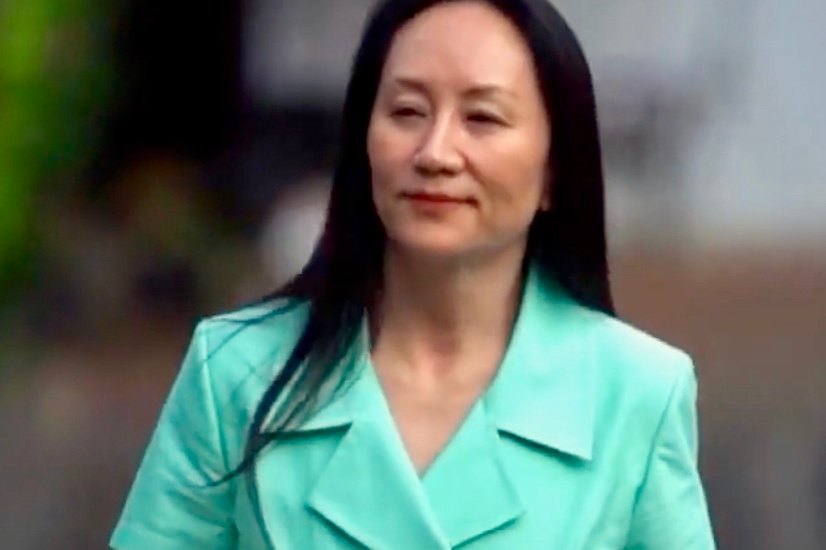
The paper trail, not the arrest, is what made the Meng Wanzhou affair a bank story. Huawei’s chief financial officer, daughter of founder Ren Zhengfei, was arrested at Vancouver airport on December 1, 2018, on a US warrant, and the charge was fraud: defrauding HSBC by lying about Huawei’s business in Iran, in a way that could have exposed the bank to US sanctions trouble. Everything that followed turned on what HSBC knew, and when it knew it.
A Trove Enters the Case
The documents themselves arrived late. A settlement struck in Hong Kong in April gave Meng more than 300 pages of HSBC material, and her lawyers moved to admit it, arguing the US record of the case was selective, misleading, “manifestly unreliable” and “outright false”. The trove threw the hearing schedule into disarray and cost a three-month delay while her team assessed it. At the core sat a 2013 presentation Meng made to an HSBC banker in a Hong Kong teahouse, and the question of which side of the bank actually understood Huawei’s ties to Skycom, the subsidiary accused of sanctions-busting in Iran.
The Politics Around the Courtroom
In the Vancouver hearings, the Canadian Department of Justice’s lead lawyer, representing US interests, argued the HSBC papers failed the relevance test: “It’s not enough to say that alternative inferences could be drawn”, he told the court, adding that “there’s no evidence here that someone connected the dots” and that credibility fights belong at trial. The defense answered that “The Requesting State’s case for fraud is based on the improbable theory that a global bank relied on a single line in a PowerPoint” for a decision about one of its biggest customers. The judge, for her part, found it “surprising” that HSBC’s relationship manager was unaware of entities sitting on his own Huawei list, while disputing the defense gloss on the phrase “controllable”: the deck’s actual wording was “Huawei’s engagement with Skycom is normal and controllable business cooperation”.
Around the courtroom, three governments dug in. Donald Trump had made the case political by musing about dropping the charges if that helped US-China trade talks. Beijing detained two Canadians in reply, former diplomat Michael Kovrig and the entrepreneur Michael Spavor; a Chinese court convicted Spavor of espionage in August and sentenced him to 11 years. Analysts note the prosecution itself was the anomaly: Airbus paid $4bn to settle a bribery case and Deutsche Bank drew a $258m fine over Iran- and Syria-linked sanctions violations, yet no executive in either case was detained.
The ending came by deal, not verdict. After first refusing any admission of guilt, and with her odds of avoiding extradition shrinking, Meng signed a settlement in September 2021 that, in the analysis of the time, contained damning admissions that she had been knowingly untruthful with HSBC, while staying silent on whether the bank itself already knew the truth. The judge had wondered aloud at an earlier hearing: “Isn’t it unusual that one will see a fraud case with no actual harm many years later?” Meng flew home after nearly three years, and the middle ground HSBC occupied, banker to both sides, was left standing as the case’s quiet lesson: it is the most expensive place to stand.
Sources
- Meng Wanzhou extradition case: Canadian lawyer says 'irrelevant' HSBC documents must not be allowed as evidence
- Canada, China and US were all doomed to lose in Meng Wanzhou’s case – Hong Kong News




