WASHINGTON, Sept. 2 — Six months into the Iran war, the conflict’s economic toll has split sharply along familiar lines: portfolio owners have seen gains, while household budgets have absorbed the cost of higher energy, food and borrowing. The war, which began with Iran’s large-scale missile and drone attack on Israel in April 2025 and escalated into direct Israeli strikes on Iranian nuclear and military sites, has reshaped global markets in ways that reward financial asset holders but squeeze consumers, according to market data and economist assessments of the period.
Defense stocks have surged as governments worldwide increased military spending, with major arms manufacturers posting double-digit gains. Energy equities rallied as oil spiked to multi-year highs above $90 per barrel in the immediate aftermath of escalation, before settling in the $80–$90 range.
Gold hit record highs above $3,300 per ounce, lifting bullion holders and mining stocks. The S&P 500, after initial volatility, recovered to near-record levels on technology and energy strength, as investors priced in sustained government spending and supply disruptions. Consumers have faced the mirror image.
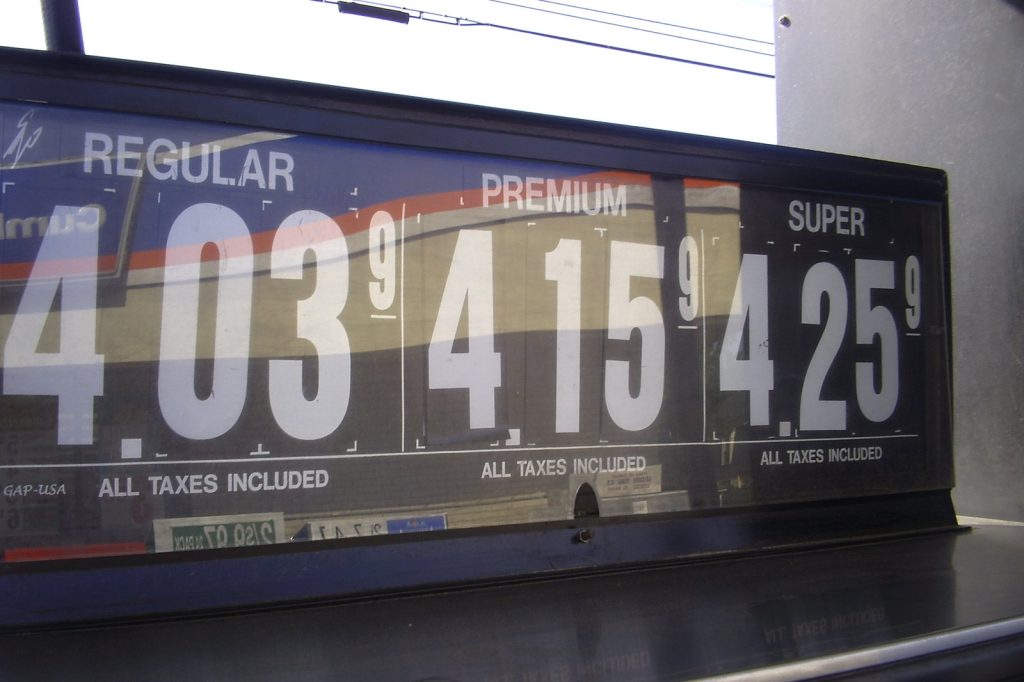
Average U.S. gasoline prices are up roughly 15% since the war began. Global food inflation is running at an estimated 6% annually, pushed by higher energy and fertilizer costs.
European natural gas prices have risen sharply, threatening a fresh cost-of-living crisis. Shipping costs have compounded the pressure. Attacks on Red Sea shipping lanes forced carriers to reroute around the Cape of Good Hope, adding weeks to delivery times and lifting freight rates by over 200% on Asia-Europe routes.
The added logistics expense has fed directly into higher prices for imported goods, from electronics to clothing.
Housing and rates
The uneven toll is most visible in housing. Real estate investment trusts and property stocks have gained on inflation-hedge buying, yet prospective homebuyers face U.S. mortgage rates above 7%, pricing many out of the market. Central banks, including the U.S. Federal Reserve and the European Central Bank, have paused or reversed planned interest rate cuts, citing war-driven inflation risks.
That keeps borrowing costs elevated for consumers and small businesses even as asset prices climb. The result, six months in, is a clear divergence: portfolio values have grown while real wages stagnate and household purchasing power declines.
Economists note the conflict has accelerated a pre-existing trend — the wealthy, holding diversified portfolios, benefit from inflation and government spending, while lower-income households, which spend a larger share of income on energy and food, feel the pinch most acutely. The war’s economic legacy, analysts say, may be a further widening of the wealth gap, even as headline stock indices suggest broad prosperity.