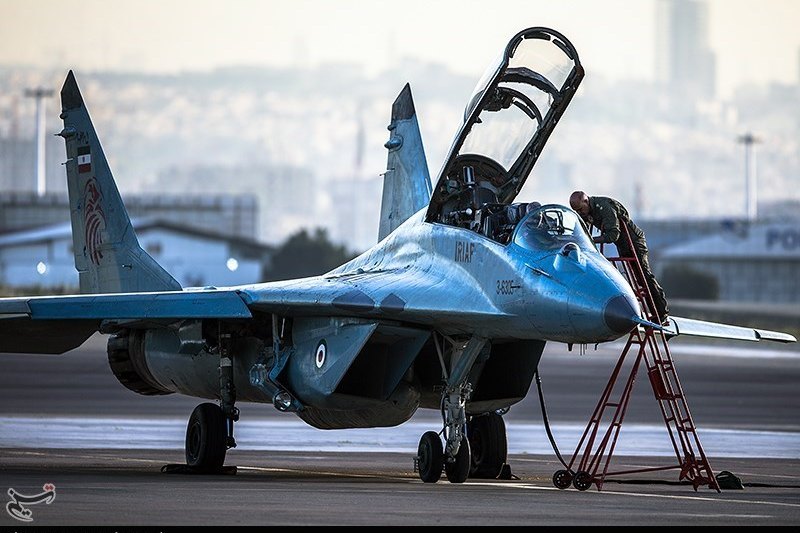
An Iranian Air Force training aircraft crashed in Fars province on December 4, resulting in the deaths of both pilots on board. The Islamic Republic of Iran Air Force has initiated an investigation to determine the cause of the accident.
Investigators are examining whether the crash resulted from mechanical failure, pilot error, or another factor. The findings will influence safety procedures for future training flights. Training accidents are particularly costly for air forces, as they often claim experienced instructors alongside student pilots.
The IRIAF has operated for decades and gained significant combat experience during the Iran–Iraq War, an eight-year conflict that established its reputation for producing the second-highest number of fighter aces in the region. That wartime history came with losses, and peacetime training carries its own risks as pilots test the limits of their aircraft.
The air force maintains a mixed fleet including training jets, fighter jets, and transport planes. Some of these aircraft are older models, while others have undergone modernization. The IRIAF has been working to update its inventory in recent years, but the safety of any fleet depends on maintenance practices.
A single crash can reveal systemic issues. Fars province, located in southern Iran, hosts military installations where training flights are conducted regularly.
Despite their routine nature, these flights carry inherent risks, as demonstrated by the December 4 crash. The loss of two pilots represents a significant setback for the IRIAF. Pilots require years of training and are costly to replace.
The air force needs skilled personnel to meet regional commitments and maintain readiness against potential threats. The IRIAF has conducted major operations including Operation Kaman 99, Operation Sultan 10, the H-3 airstrike, and Operation Scorch Sword, which was the first attack on a nuclear reactor in history.
Future operations will similarly depend on trained pilots. The investigation will examine whether the aircraft was properly maintained, whether it had shown prior problems, and whether the crew reported any issues. These questions are standard after any crash, but answers can be difficult to obtain.
Wreckage often burns, data recorders may fail, and witnesses see only parts of what occurred. Iranian media reported the incident.
Families have been notified, and the military will conduct funerals before resuming operations. Training will continue as new pilots prepare to fly. The crash underscores the risks military personnel face during training exercises. The IRIAF invests significant resources in training because aviation is unforgiving.
Mistakes can be fatal, and even when no mistakes occur, mechanical failures can happen. The air force must identify the cause of this crash, implement fixes, and ensure future training flights end safely.
Other air forces monitor such incidents and may learn from the findings, which the IRIAF may or may not share publicly. The investigation will shape future safety protocols, offering the only constructive outcome from the tragedy.
Sources
- Iranian Air Force F-4 Fighter Jet Crashes During Night Training in…
- Iranian F-4 fighter jet crash kills both pilots