Houston-area employers cut 7,300 jobs in September, a drop that ranks among the steepest for that month in over three decades, according to Workforce Solutions.
The Sector That Took the Hit
The leisure and hospitality sector suffered the largest decline, shedding exactly 7,300 positions. This figure represents the bottom line for September employment in the region. Private employers shed a total of 19,400 jobs during the month, with professional and business services accounting for another 3,900 losses, KPRC Click2Houston reports.
Investors will note that government payrolls moved in the opposite direction, adding 12,100 jobs. This gain was largely driven by education staffing as schools prepared for the new academic year. The paradox of falling payrolls coinciding with a drop in the unemployment rate to 4.6% remains an open question, Workforce Solutions says.
Why the Numbers Look Different
The 7,300 figure is not seasonally adjusted, according to the Houston Area Employment Situation report. When adjusted for seasonal patterns, employment actually fell by 14,600 jobs from August. Economists explain that changing school schedules affected the numbers significantly, as companies hired fewer workers in September when schools started in August.
Mohammad Ahmadizadeh, an economist with the Gulf Coast Workforce Board, said the decline was not a surprise. He noted that job ads had slowed and were lower than earlier in the year. This slowdown contributed to the overall contraction seen in the private sector during this period.
Bright Spots and Broader Context
The Dallas Fed describes year-over-year employment growth as meager, with payrolls up only 0.3% from September 2025 to September 2026. Construction emerged as a bright spot, rising 3.8% or 9,800 jobs over the year, while leisure and hospitality fell 1.4%. This divergence highlights the shifting winds in the regional economy.
West Texas Intermediate oil averaged $97.31 in September, a factor that benefits the area and adds oil and gas jobs. Ahmadizadeh told ABC13 that higher oil prices benefit the region by adding positions within professional and business services. West Texas Intermediate is a key benchmark for global crude oil pricing.
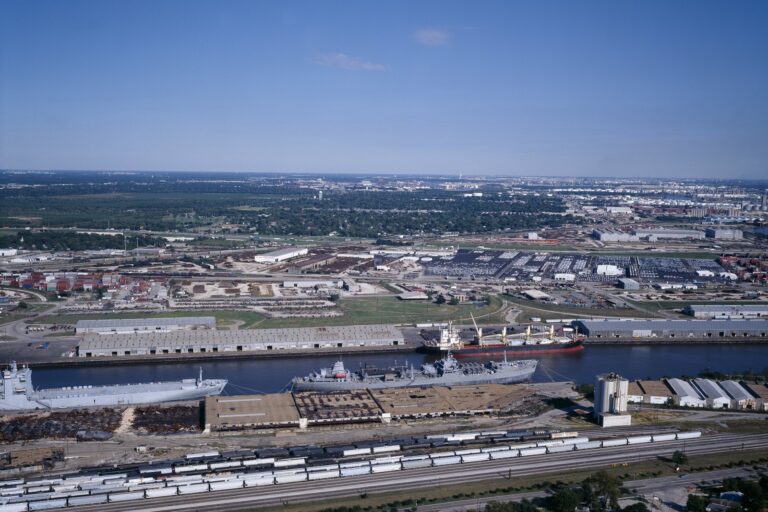
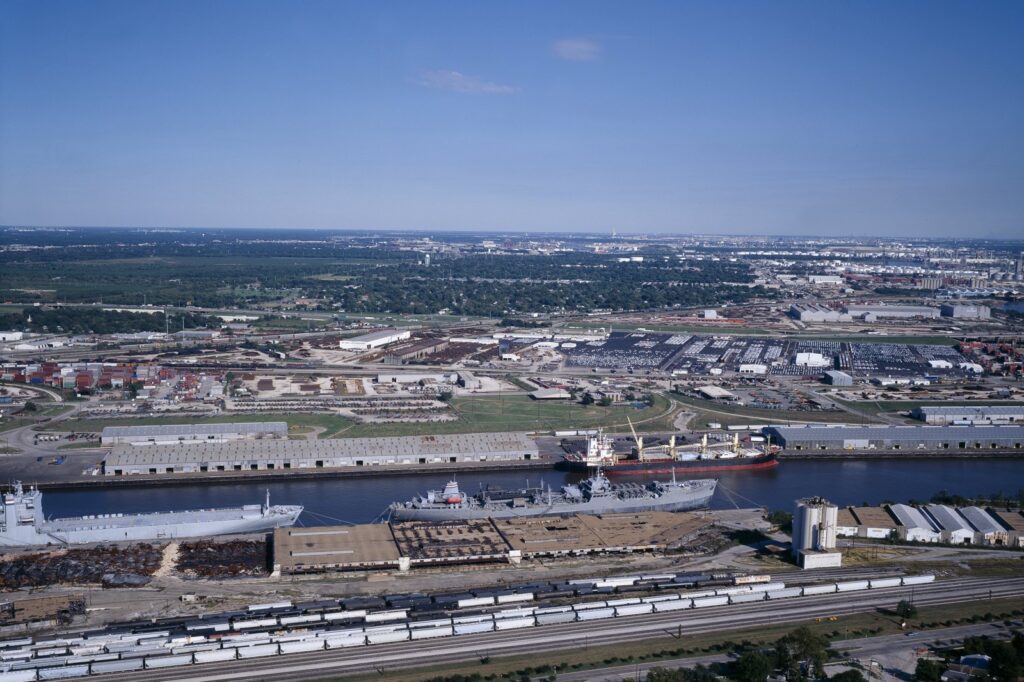
The Port of Houston ranks first in the United States in international waterborne tonnage handled, according to historical data on the city’s industrial base. The city functions as the southeastern anchor of the Texas Triangle megaregion, leveraging its strengths in energy, manufacturing, aeronautics, and transportation.
Looking Ahead
Workforce Solutions forecasts about 29,900 jobs will be added from December 2025 through December 2026. Economists expect a rebound in the next few months as retailers add jobs for the holiday season and construction continues to grow.
Despite the September dip, the Greater Houston metropolitan area remains the fifth-most populous metropolitan area in the nation with 7.8 million residents. The city’s diverse economy includes NASA’s Johnson Space Center and the Texas Medical Center, providing a resilient foundation despite quarterly fluctuations.
Regional Trends and National Comparison
Houston was hardly alone in September, as 23 of Texas’ 27 metro areas posted monthly job losses, according to the state labor agency. This widespread contraction suggests a broader regional challenge rather than an isolated incident within the Greater Houston area. The data indicates that despite Houston’s status as the fifth-most populous metropolitan area in the nation with 7.8 million residents, it shared similar struggles with its neighboring communities.
The state-level context reveals that while state payrolls expanded an annualized 0.2 percent over the same stretch, national payrolls rose 0.4 percent. By comparison, Houston payrolls contracted slightly in the third quarter, down an annualized 0.4 percent. This divergence highlights how the Gulf Coast region is currently lagging behind both state and national averages during this specific period.
Economists also cautioned that rising interest rates could eventually affect job growth across these regions. These financial pressures add another layer of complexity to the current employment landscape, potentially influencing hiring decisions for retailers and construction firms in the coming months. As the Dallas Fed describes year-over-year employment growth as meager, these external economic factors may play a significant role in shaping future workforce dynamics throughout the Southeast Texas area.
Sector-Specific Contractions
While the leisure and hospitality sector bore the brunt of the region’s employment decline with 7,300 jobs lost, other industries also faced significant downward pressure during September. According to KPRC Click2Houston, the professional and business services sector shed 3,900 positions. Additionally, the trade, transportation, and utilities sector experienced a contraction, losing 2,600 jobs. These figures contributed to the broader 19,400-job reduction seen across private employers in the 13-county region during the month.
The decline in leisure and hospitality was particularly notable when viewed alongside year-over-year data. According to the Dallas Fed, this specific sector saw an employment decrease of 1.4 percent, or 5,200 jobs, between September 2025 and September 2026. This downward trend in service-oriented roles contrasts with other areas of the economy, such as construction, which managed to grow by 9,800 jobs over the same annual period.
Economic Divergence and Local Context
Houston’s economic resilience is anchored by its diverse industrial base, which spans energy, manufacturing, aeronautics, and transportation. The Port of Houston ranks first in the United States in international waterborne tonnage handled, serving as a critical hub for global trade. This strength positions the city as the southeastern anchor of the Texas Triangle megaregion, leveraging its strategic location near Galveston Bay and the Gulf of Mexico.
The region’s economy is further bolstered by major institutions such as NASA’s Johnson Space Center and the Texas Medical Center, which provide a stable foundation despite quarterly employment fluctuations. These entities contribute to Houston’s status as the fifth-most populous metropolitan area in the nation with 7.8 million residents, maintaining diversity and strength even when private sector hiring slows.
The city’s population comprises various ethnic and religious backgrounds, making it the most diverse metropolitan area in Texas. This demographic breadth supports a robust local workforce capable of adapting to shifting economic conditions. Historical growth factors, including a burgeoning port and railroad industry, continue to influence current employment trends alongside modern sectors like healthcare and research.
Sources
- Houston Sheds 7,300 Jobs in September, Report Shows
- Houston
- Houston police chase ends in crash downtown near I-10 East Freeway, 3 hospitalized
Photo: Carol M. Highsmith (Public domain)