
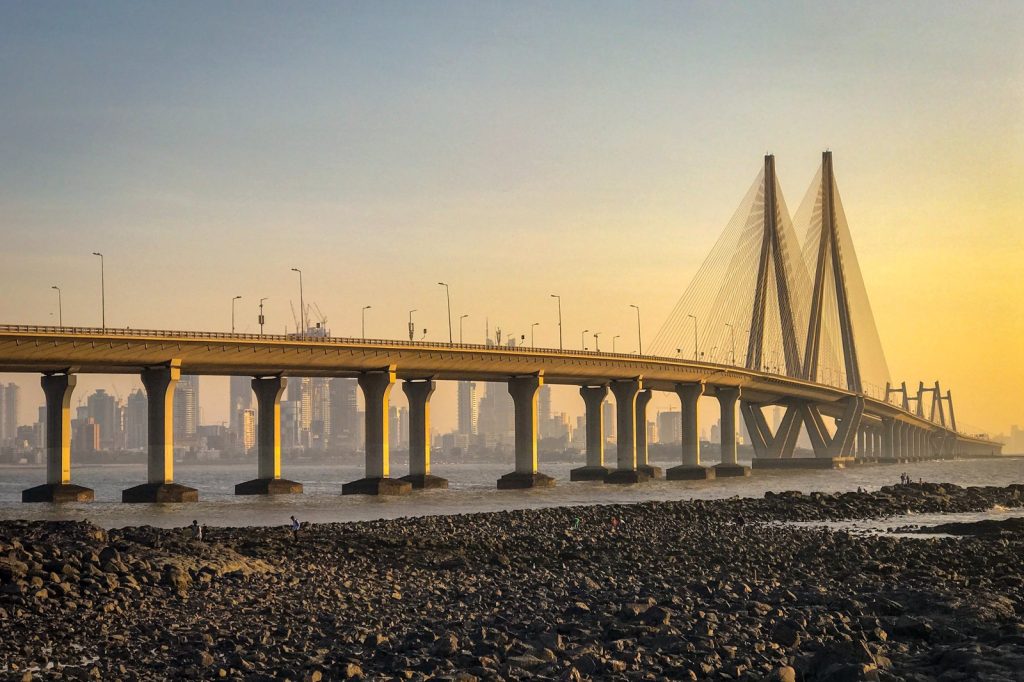
MUMBAI, July 10 — The Rs 6,000 crore redevelopment pipeline now visible across Mumbai’s luxury housing sector is being driven by a specific dynamic: strong sales despite limited supply. According to market data, developers are responding to sustained buyer appetite for larger homes and waterfront properties, even as inventory in the premium segment remains constrained. The demand is not evenly distributed across the city.
It is concentrated in coastal micro-markets, where infrastructure improvements are reshaping accessibility. The Mumbai Coastal Road and the Versova–Bandra Sea Link have opened up corridors that previously suffered from chronic congestion, making waterfront locations more viable for daily commutes.
Supply constraints meet buyer demand
Figures show that luxury housing sales have remained robust even as developers struggle to bring new stock to market. The limited supply dynamic is a direct consequence of Mumbai’s challenging land economics and regulatory hurdles, which have historically slowed project launches. Yet the redevelopment pipeline, valued at Rs 6,000 crore, signals that developers are betting on sustained high-end demand.
The company filings behind this pipeline indicate that developers are specifically targeting buyers seeking larger floor plates and direct sea views. This is a departure from the compact-apartment trend that dominated Mumbai’s residential market for much of the past decade.
The shift reflects changing buyer preferences in a post-pandemic environment, where space and ventilation have become premium considerations.
Infrastructure as a catalyst
The Mumbai Coastal Road, a multi-billion-rupee project linking Marine Drive to Kandivali, has already reduced travel times along the western waterfront. The Versova–Bandra Sea Link, still under construction, promises to further integrate the northern and southern coastal stretches. These projects are not merely convenience upgrades; they are fundamentally altering the geography of Mumbai’s luxury market.
According to industry observers, the combination of improved road connectivity and limited land supply in established luxury zones is pushing developers toward redevelopment of older buildings in coastal areas. This is a capital-intensive process, but the sales data suggests buyers are willing to pay a premium for the combination of location and new construction.
The Rs 6,000 crore redevelopment figure represents a significant bet on the durability of this demand. It is not a speculative bubble, the company statements suggest, but a measured response to verified buyer interest. The pipeline includes both standalone towers and larger integrated complexes, all positioned within the coastal micro-markets that now benefit from the new road links.
What to watch next
The key question for the remainder of 2026 is whether the limited supply constraint will ease as redevelopment projects move from planning to construction. If the pipeline delivers new luxury inventory at scale, it could test the depth of demand. For now, the market remains in a state of equilibrium: buyers chasing scarce stock, and developers racing to build.




