
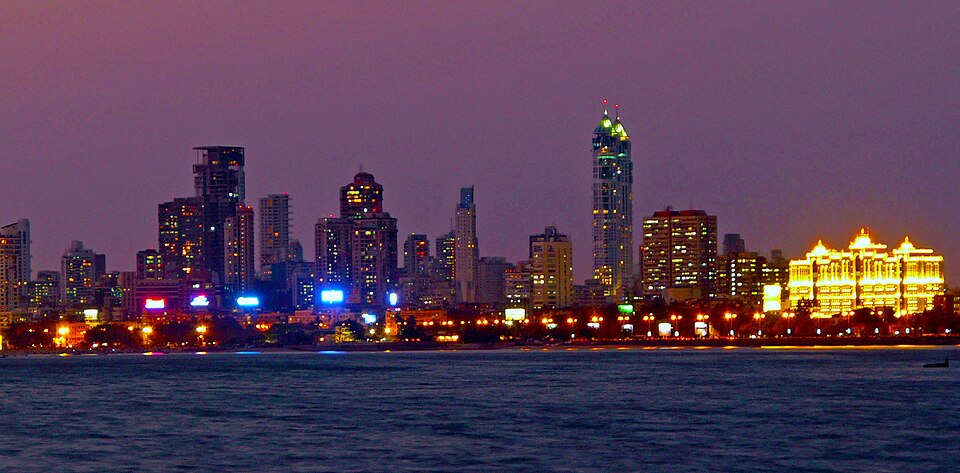
MUMBAI, July 10 — A redevelopment pipeline valued at approximately Rs 6,000 crore is set to reshape Mumbai’s coastal luxury residential market, according to industry data. The pipeline encompasses 75-80 projects expected over the next 8-9 quarters, comprising over 250 residential units. The surge is driven by increasing demand for larger homes and waterfront living, fueled by improved infrastructure such as the Mumbai Coastal Road and the upcoming Versova–Bandra Sea Link.
These developments are boosting connectivity and investor interest in coastal micro-markets.
Luxury demand outpaces supply
Mumbai’s luxury housing market has seen strong sales despite limited supply, indicating sustained demand for premium residences. The redevelopment pipeline, valued at roughly Rs 6,000 crore, is a direct response to this pent-up demand. The next wave of premium residential development is expected to extend northwards to areas like Malad and Borivali, beyond traditional luxury hubs.
Developers are acquiring land parcels and older buildings in these northern suburbs, betting that improved road connectivity will make them viable luxury destinations. The redevelopment model is particularly attractive in Mumbai’s constrained land market.
Rather than greenfield development, builders are partnering with housing societies to redevelop older, low-rise buildings into high-rise luxury towers. This approach allows developers to unlock prime coastal land without the lengthy process of land acquisition. The 75-80 projects in the pipeline represent a mix of such redevelopment deals and new launches on available plots.
Infrastructure as a catalyst
The Mumbai Coastal Road and the Versova–Bandra Sea Link are not merely transportation projects; they are reshaping the city’s real estate geography. The coastal road, which runs along the western shoreline, has made previously isolated coastal pockets more accessible. The sea link, when operational, will connect Versova in the western suburbs to Bandra, bypassing congested inland roads.
For the luxury housing market, the improved connectivity translates into higher property values and faster sales cycles. The redevelopment pipeline of Rs 6,000 crore is concentrated in micro-markets that benefit directly from these infrastructure upgrades.
Now, developers are looking northward to Malad and Borivali, where land prices are lower but demand for premium housing is rising.
Market dynamics and investor sentiment
Mumbai’s luxury housing market has historically been cyclical, with periods of rapid price appreciation followed by corrections. However, the current cycle appears more durable, driven by genuine end-user demand rather than speculative buying. The limited supply of new luxury units has kept prices firm.
Investors are also taking note of the redevelopment pipeline. The Rs 6,000 crore pipeline is expected to absorb significant institutional capital over the next 8-9 quarters.
For buyers, the appeal of coastal luxury living is clear: unobstructed sea views, better air quality, and proximity to business districts. The redevelopment pipeline offers a rare opportunity to purchase newly built apartments in established coastal neighborhoods, where land for new construction is scarce.
What to watch next
The extension of premium residential development northwards to Malad and Borivali will be a key trend to monitor. If successful, it could redefine Mumbai’s luxury real estate map, moving the center of gravity away from the southern peninsula. Developers are already marketing projects in these areas as “new coastal luxury” destinations, leveraging the improved connectivity promised by the Versova–Bandra Sea Link.
The completion timeline for the sea link remains a critical variable. Any delays could temper demand in the northern micro-markets, while early completion could accelerate the shift.
The Mumbai Coastal Road, already partially operational, has demonstrated the market’s appetite for coastal connectivity. The Rs 6,000 crore redevelopment pipeline is a bet on Mumbai’s long-term economic growth and its ability to attract and retain wealthy residents. With over 250 residential units planned and strong sales momentum, the city’s coastal luxury market appears poised for a sustained boom.




