
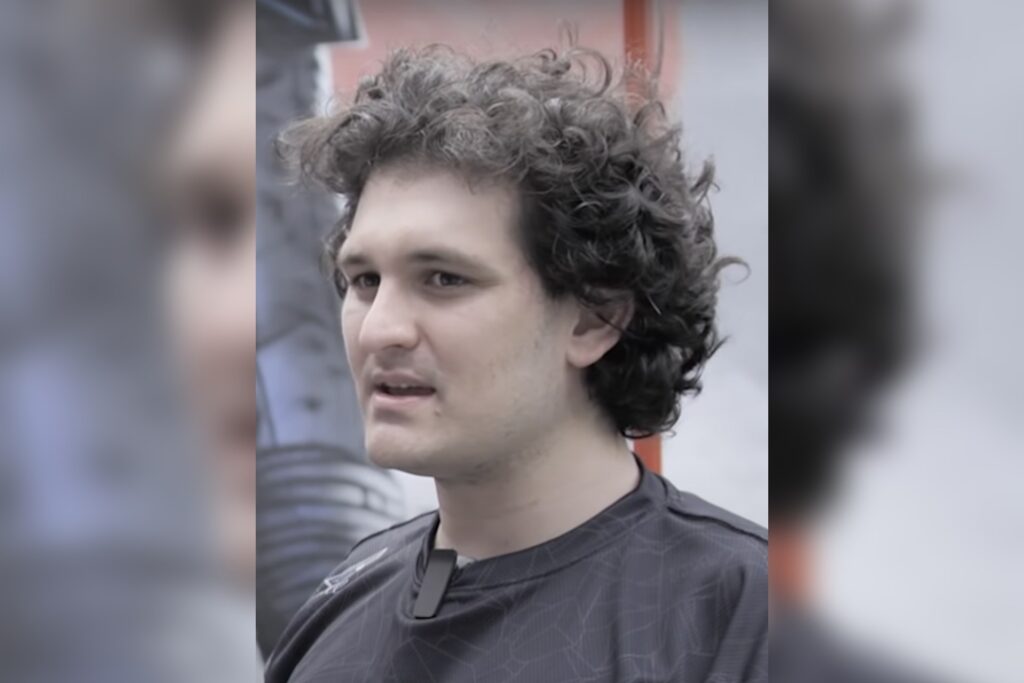
“It looked like Sam Bankman-Fried was on top of the world,” lead prosecutor Thane Rehn told a packed Manhattan courtroom on Wednesday, October 4, 2023, as the fraud trial of the FTX founder began.
Then Rehn turned the picture over. Bankman-Fried, he said, “was committing a massive fraud and taking billions of dollars from thousands of victims.” In the prosecution’s telling, FTX, once one of the world’s biggest crypto exchanges, was “built on lies.” Prosecutors say he took more than $10 billion from customers.
The prosecution’s case
The central allegation is that Bankman-Fried used FTX customer funds to prop up risky bets at his trading firm, Alameda Research, and to pay for an extravagant lifestyle. The Justice Department says the money bought property and funded more than $100 million in political donations. It also says he covered Alameda’s losses with customer money while lying to investors and banks about the ties between the two companies.
“He poured money, other people’s money, into his own investments to try to make himself even richer,” Rehn said.
The charges include wire fraud and money laundering. If convicted, he faces decades in prison.
The defence
His lawyers deny everything. Mark Cohen, in his opening, said flatly: “There was no theft.” He went on: “Sam didn’t defraud anyone. Sam didn’t intend to defraud anyone. Sam acted in good faith.”
The defence portrayed the once-celebrated “crypto king” as a “math nerd” caught out by frantic growth, with details such as risk management “overlooked.” Cohen said Bankman-Fried followed legal advice at key points, called his business practices “reasonable,” and argued that prosecutors’ account of FTX and Alameda’s downfall was “out of context.” “It’s not a crime to be the CEO of a company that later filed for bankruptcy,” he said.
Bankman-Fried has admitted in media interviews that the firm was mismanaged. He has denied taking any funds.
From Washington favourite to defendant
Bankman-Fried, 31, founded FTX in 2019 and became a kind of crypto spokesman in Washington, known for his curly mop of hair, his sports sponsorships and his easy way with celebrities. When digital currency markets soured in 2022, he stepped in to rescue smaller firms and earned the nickname “King of Crypto.” A few months later he was arrested after FTX collapsed into bankruptcy with billions reported missing.
In court he wore a grey suit rather than his usual casual clothes and conferred with his lawyers throughout the day. His parents, both Stanford law professors, sat in the audience. He never seemed to look back at them.
Twelve jurors and six alternates were picked from a pool of 45 people. Four of his closest colleagues, including his ex-girlfriend and former Alameda executive Caroline Ellison, have already pleaded guilty, and three are expected to testify against him. The trial was expected to run about six weeks.
The first prosecution witness was Marc-Antoine Julliard, a French commodities trader who said he lost $133,000 on FTX. He said he knew the risks of crypto and accepted them. “If I trade, I’m responsible for my own decisions,” he told the court. What he never considered was that someone else would be using his money to trade. “That’s not what I signed up for,” he said.




