KYIV, November 2, 2026 — The Trump administration is pressing to restart Russian natural gas flows to Europe through Ukrainian pipelines before winter, using a U.S. intermediary to sidestep European sanctions. Envoys Jared Kushner and Steve Witkoff floated the plan during September trips to Moscow and Kyiv, proposing that sales proceeds sit in an escrow account to keep the revenue from funding Russia’s war effort.
The Bottom Line
Washington wants a temporary energy ceasefire announced before three-way peace talks set for mid-November in Abu Dhabi. The proposal offers Russia renewed access to European markets, Ukraine a return of transit-fee revenue, and Europe a cushion against a storage shortfall that has Germany at just 61 percent capacity versus an 80 percent target as of November 1.
By the Numbers
EU gas storage sits below seasonal norms, with Germany holding over 20 percent of the bloc’s capacity at only 61 percent full. Russian LNG deliveries to Europe have not slowed; the bloc imported a record 12.18 million tonnes of Yamal LNG in the first nine months of 2026, paying an estimated €7.88 billion over that period. The Ukrainian pipeline network, operational until January 2025, can restart far faster than the damaged Nord Stream lines, which have been offline since the September 2022 sabotage.
How the Deal Would Work
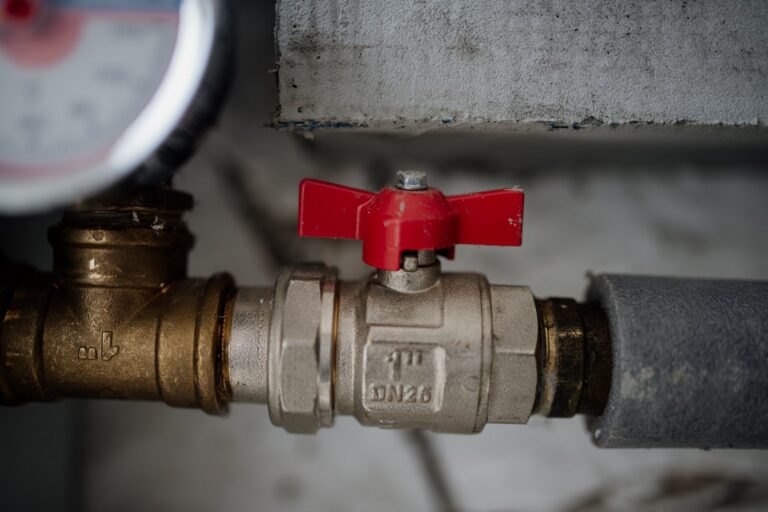
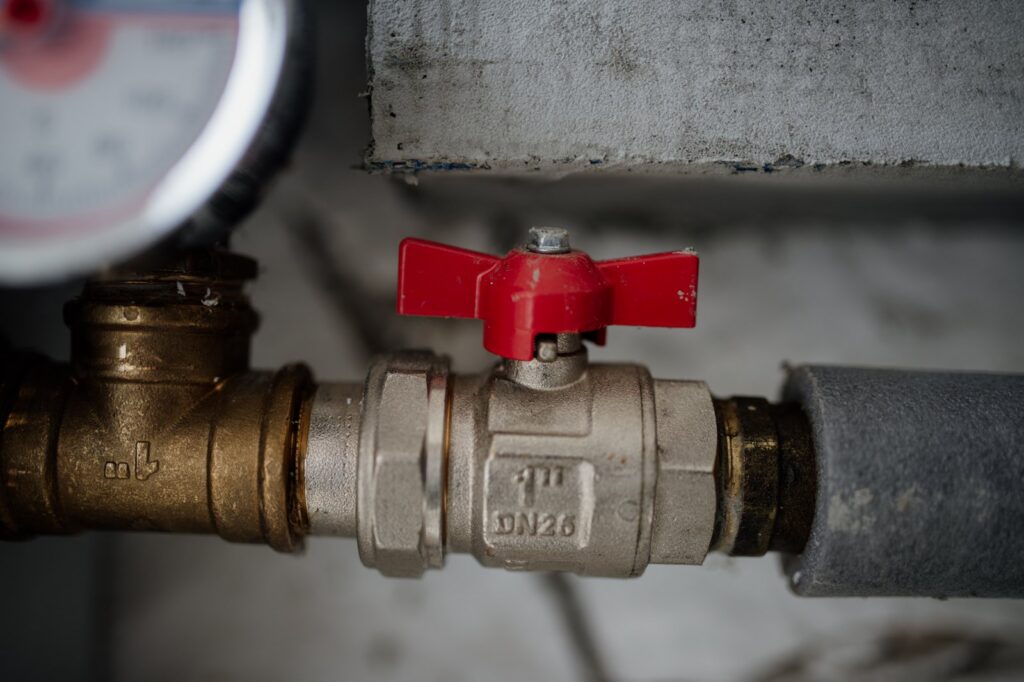
Under the version discussed with European governments, a U.S. intermediary would sell Russian gas into Europe, navigating the EU’s restrictions on direct Russian imports. Proceeds would be deposited into an escrow account in a third-party jurisdiction, a structure a senior U.S. official described as a way to prevent Moscow from using the cash to finance the war. Ukraine would collect transit fees on volumes moving through the Soviet-era system that crosses its territory to Slovakia, Austria and Germany — revenue Kyiv badly needs.
Legal and Political Obstacles
The plan still faces significant legal hurdles under EU sanctions. The bloc has legislated a phase-out of all Russian energy commodity imports, with natural gas bans set to take full effect next year. EU officials maintain there is no going back on that trajectory, even if the war ends. Short-term LNG contracts signed before mid-June 2025 were banned in April 2026, but a nine-month gap for contracts signed between then and March 2026 leaves Yamal flows legally intact for now.
Momentum Lost and Regained
The proposal stalled last month after Ukraine temporarily suspended strikes on Russian oil refineries under pressure from President Donald Trump. Moscow continued hitting Ukrainian energy infrastructure during the pause and began supplying diesel to the United States. Kyiv resumed refinery strikes Friday, hitting three major facilities in three days, which prompted renewed U.S. efforts to broker a wider energy ceasefire. Moscow has so far rejected American overtures on an energy truce, according to the Wall Street Journal.
What Comes Next
Three-way negotiations involving the United States, Russia and Ukraine are scheduled for mid-November in Abu Dhabi. Washington hopes to announce an energy ceasefire before those talks begin.
Sources
- US pushes Russian gas return to Europe via Ukraine: Report – Türkiye Today
- U.S. Pushes to Restore Russian Gas Flows to Europe | OilPrice.com
- US pushes to restore Russian gas sales to Europe via Ukraine, WSJ reports
- US pushes to restore Russian gas sales to Europe via Ukraine before winter
- Trump ‘pushing to restore Russian gas sales to Europe through Ukrainian pipelines’
Photo: Shixart1985 (CC BY 2.0)