CHICAGO, October 26, 2026 — Boeing prepares to report third-quarter earnings following a period of slower revenue growth and significant legal and regulatory hurdles, with investors watching closely for stabilization in cash flow.
The bottom line for the aerospace manufacturer centers on managing cash burn while advancing key certification milestones. According to Reuters reporting on October 26, Boeing’s second quarter showed progress alongside mounting costs, with revenue rising 8.0% to $24.56 billion and deliveries reaching 171.
By the numbers, profitability lagged behind expectations earlier in the year. According to corporate financial disclosures, the core loss of $0.76 per share missed the $0.34 loss analysts expected, weighed down largely by a $280 million VC-25B charge. Market performance reflects these ongoing pressures, with shares down 12.8% year to date following the third-quarter earnings release, according to market data.
Regulatory Progress and Certification Milestones
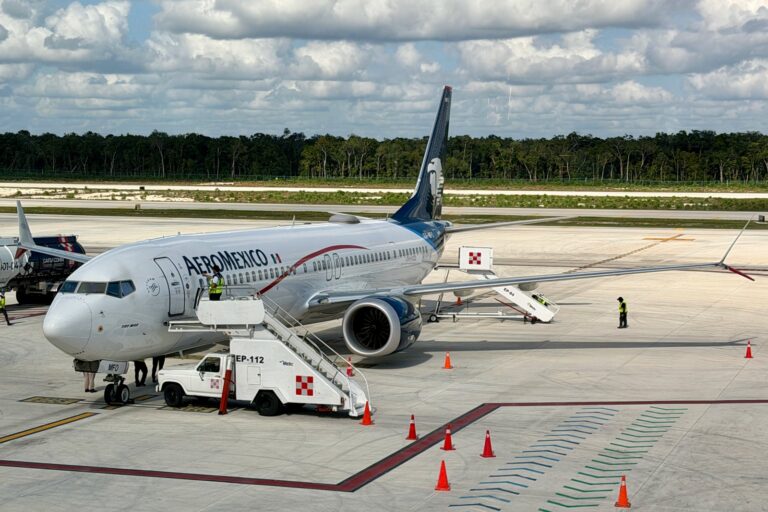
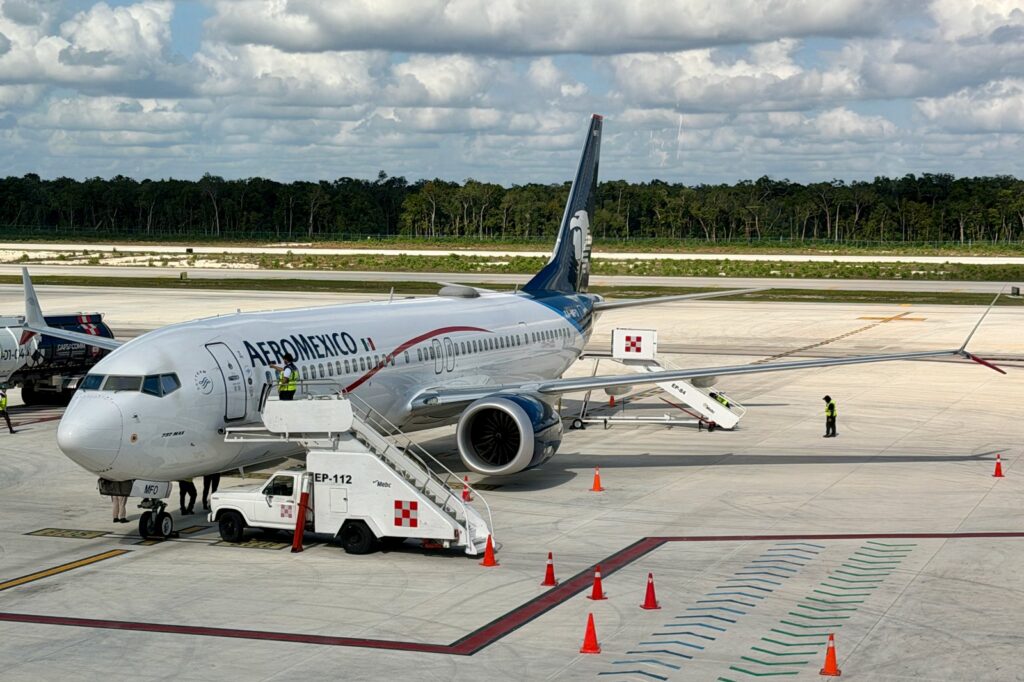
Investors will note the ongoing push toward regulatory approval for the 737 Max 10. According to statements from Secretary of Transportation Sean Duffy on October 20, 2026, the certification effort marks a significant operational checkpoint.
“This has been almost a ten-year process getting to this day of certification, which, by the way, is huge,” Duffy noted.
According to the Marketplace Morning Report, major airlines have ordered more than 1,400 of the 737 Max 10 jets. Regulators found a software glitch this year, though they determined it was not a flight safety issue, according to program updates. Watch for confirmation of 2027 first deliveries and progress on the 737 production ramp to 47 per month, according to industry trackers.
Cash Flow Guidance and Department of Justice Obligations
Despite substantial cash outflows, corporate guidance points toward resilience in core liquidity.
That payment weighs directly on quarterly liquidity, according to financial reports. Analysts tracking the aerospace sector note that managing these liabilities remains central to restoring investor confidence ahead of the upcoming delivery ramp.
Macroeconomic Pressures and Jet Fuel Prices
The figure that matters for airline customers involves broader energy costs that influence fleet purchasing decisions. Benchmark West Texas Intermediate crude sat at $107.89 a barrel on October 20, 2026, according to commodity market pricing.
While Jim Cramer once quipped that every time crude rises by a dollar Boeing stock falls by a dollar, he later characterized that logic as flawed, arguing that rising oil prices actually compel airlines to purchase more fuel-efficient planes. RTX CEO Chris Calio echoed a similar view, stating that demand remains steady despite concerns surrounding jet fuel and airline health.
Coca-Cola Earnings Preview and Market Context
As Boeing prepares its third-quarter update, its cross-sector peer Coca-Cola also reports results on October 27, 2026, offering a contrasting macroeconomic test. According to 247wallst.com, Coca-Cola needs to justify a 35% run against the toughest comparisons of the year following the October 22 selloff linked to Middle East tensions and rising oil prices. On Mad Money on September 24, 2026, Jim Cramer noted both Boeing and Coca-Cola were among 17 stocks that, per Hendrik Bessembinder’s research, delivered cumulative returns of more than 5 million percent from 1925 to 2023. While Boeing faces margin pressure from a $280 million VC-25B charge and a core loss of $0.76 per share, Coca-Cola beat EPS estimates for the fifth consecutive quarter, reporting $0.97 against a $0.93 consensus and raising its full-year comparable EPS growth outlook to 9% to 10%. The stock is up 35.7% year to date, reflecting stronger defensive momentum as airlines and travelers grapple with jet fuel costs near $107.89 per barrel.
Coca-Cola’s second-quarter unit case volume rose 5%, with Zero Sugar growing 16%, aided by the World Cup and an easier prior-year comparison. However, management warned that the second half of the year presents tougher comparisons, testing whether volume momentum can hold. This consumer staples performance provides a benchmark for Boeing’s own turnaround narrative, particularly as both companies navigate a backdrop of elevated energy costs and shifting investor sentiment ahead of their respective earnings calls.
Sources
- Boeing, Coca-Cola Earnings Previews: A Turnaround Story and a Defensive Staple Face the Same Test
- The Week Ahead: Can Big Tech Earnings Save the Day?
- Boeing (BA) reports Q3: everything you need to know ahead of earnings
Photo: Oleg Yunakov (CC BY-SA 4.0)