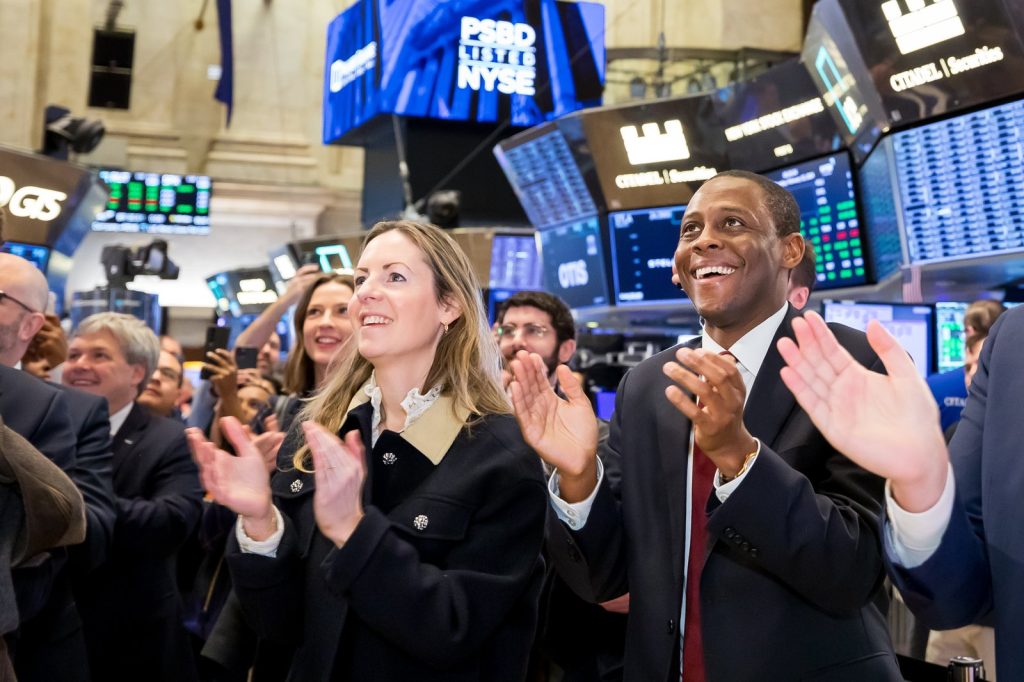
NEW YORK, July 21 — On the floor of the New York Stock Exchange, the hum of trading is constant. But almost none of the shares changing hands right now came directly from the companies that issued them. They are secondhand sales — the very definition of the secondary market.
Also called the aftermarket, this is where investors buy and sell previously issued financial instruments: stocks, bonds, options, futures. It is the opposite of the primary market, where companies or governments sell new securities directly to investors for the first time.
In a primary sale — an initial public offering or a private placement — an underwriter often buys the securities from the issuer and resells them to buyers, pocketing a fee. The federal government sells Treasury bonds directly. Every trade after that first sale happens in the secondary market.
When one investor sells a stock to another on the NYSE, the company that originally issued the stock sees little direct impact. The proceeds of that trade go to the seller, not the corporation.
Yet the secondary market is far from irrelevant to the issuer. Accurate share prices set in these trades help allocate scarce capital more efficiently when new projects are financed through future primary-market offerings. They also reduce the agency costs of management and make hostile takeovers less risky — moving capital toward better managers.
And they aid the efficient allocation of debt finance, whether through bond offerings or institutional borrowing.
Liquidity and the exchanges
Liquidity is the lifeblood of the secondary market. The more investors and the more centralized the marketplace, the more liquid it becomes. That was the original insight: investors and speculators meeting at a fixed place regularly created liquidity, which led to the birth of stock exchanges.
The major exchanges — the New York Stock Exchange, the London Stock Exchange, and the Nasdaq Stock Market — are the most visible examples today. They offer centralized, liquid markets for publicly traded stocks.
But not all secondary trading happens on exchanges. Most bonds and structured products trade over the counter, usually by calling a broker-dealer’s bond desk. Loans sometimes trade online via dedicated loan exchanges.
Beyond stocks: mortgages, used goods, ethanol, and patents
The term secondary market also applies to loans sold by a mortgage bank to investors such as Fannie Mae and Freddie Mac. And it extends far beyond securities. Used goods and assets trade in secondary markets for everything from cars to furniture.
Even agricultural commodities have found new secondary uses: corn, traditionally raised for food and animal feed, now has a secondary market for ethanol production. Non-security assets such as intellectual property — patents or rights to musical compositions — also trade in secondary markets, allowing owners to resell government-issued property entitlements.
Whether fragmented or centralized, illiquid or highly liquid, the secondary market touches stocks, bonds, loans, real estate, crops, and creative works. What to watch next: As global capital flows shift and new financial instruments emerge, the secondary market’s role in pricing risk and directing investment will only grow. The hum on Wall Street is just the most visible part of a vast, interconnected aftermarket.