MOSCOW, July 12 — The shadow fleet moving Russian oil is not a single fleet at all. It is a layered network of owners, operators, enablers, and flags of convenience, each piece designed to obscure the origin and destination of the cargo. On closer reading, the mechanics here rely on a simple trick: make the vessel untraceable, and the transaction becomes unenforceable.
The network includes Russian state-owned companies like Sovcomflot, which manages a large portion of Russia’s tanker fleet. But it does not stop there. Smaller firms based in the United Arab Emirates, India, and China also play a role. These entities use shell companies and flags of convenience from Panama, Liberia, and the Marshall Islands to obscure ownership. The catch is that a ship flying a Liberian flag, owned by a shell company in Dubai, and insured by a firm in Russia, becomes nearly impossible to sanction through traditional means.
Insurance is a critical piece. Providers in Russia and other jurisdictions not subject to Western sanctions cover these vessels. Without that insurance, the ships would be unable to dock, unload, or secure financing. But the network has built alternative channels.
The Enablers
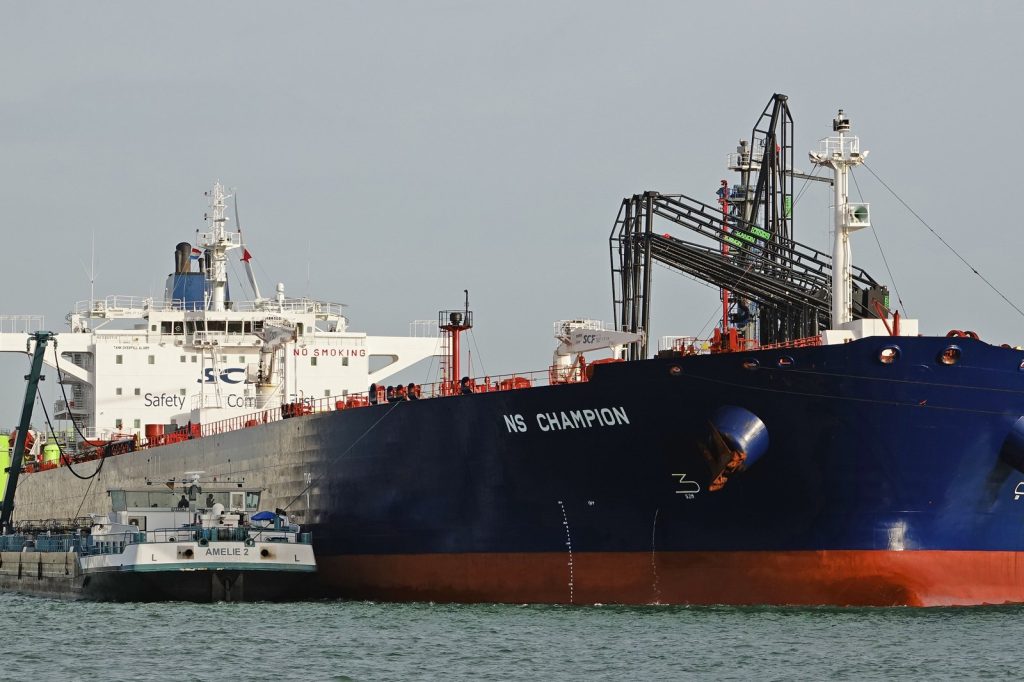
Key enablers include maritime service providers that facilitate ship-to-ship transfers. These transfers happen at sea, often outside territorial waters, where cargo is moved from one vessel to another to break the chain of custody. Port authorities in countries like Turkey and Egypt allow shadow fleet vessels to dock, giving the oil a legal point of entry into the global market. Follow the money: each transfer, each docking, each insurance policy generates fees that flow back into the network.
The US and European Union have responded. They have sanctioned several individuals and entities, including the Dubai-based ship manager Al-Riyadh, for their role in the shadow fleet. But sanctions take time to bite, and the network adapts. A sanctioned manager can be replaced; a flagged vessel can reflag.
Ukraine’s approach is different. Rather than targeting the paperwork, Ukraine’s strikes target the physical assets of this network. The aim is to disrupt operations directly—sink the ship, damage the port, halt the transfer. This is a blunt instrument compared to the legal and financial tools of the West, but it addresses the immediate problem: the oil is still moving.
The shadow fleet is not static. New owners, new flags, new routes emerge as old ones are blocked. The question now is whether the combination of Western sanctions and Ukrainian strikes can keep pace with a network designed to be one step ahead.