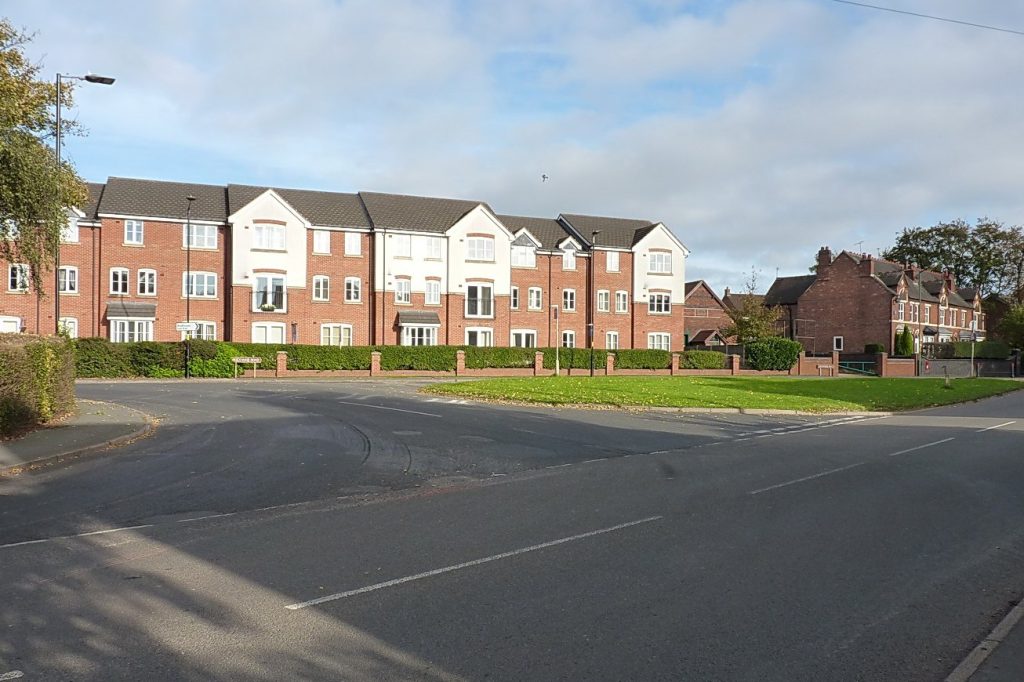
A mortgage lender’s policy on service charges nearly pushed a young Derbyshire couple into homelessness. Sophie Elwright, 29, and her husband Jordan, also 29, came within days of losing the flat they were buying after their lender pulled its mortgage offer. The reason: the property’s annual service charge and ground rent of £1,770.12 and £200 were deemed “too onerous.” The lender’s internal rule required those combined costs to stay under 1 percent of the property’s value.
The flat cost £119,000. The charges exceeded that threshold.
The couple had rented a two-bedroom, top-floor flat in Derbyshire for four years. When their landlord decided to sell in 2024, the asking price felt too steep. They found an identical flat in the building next door.
Their offer was accepted in February 2024. A mortgage offer came through in March.
Then, in May, it was gone. “Even though all the accurate figures had been provided from the outset in our application, the mortgage offer was withdrawn months later in May,” Sophie, an IT helpdesk analyst, said. “The lender said the property could not be considered acceptable or suitable to provide a mortgage for.” Timing made it worse.
The news arrived two days before the agreed date to exchange contracts. Completion was just over a week away. Sophie described feeling “devastated, shocked, confused and completely powerless.” She added: “The bottom had fallen out of our world.
We genuinely believed we could have ended up homeless through no fault of our own.” The couple’s mortgage broker did not stop. Sophie said she “sprung into action,” firing off new applications to other lenders.
The broker’s quick work paid off. A new mortgage was secured. The sale went through.
The incident raises questions about how lenders assess service charges and ground rents. The charges on the flat were not hidden.
They were provided upfront in the initial application. The lender still waited months to flag the problem. Sophie’s account suggests a gap between what lenders ask for and what they actually check.
Applicants supply all the numbers. Lenders approve. Then, weeks later, they reverse course.
The couple now own their flat. They did not lose their home.
But the experience left them shaken. Sophie’s words carry a warning for anyone buying a leasehold property: know what your lender will accept on service charges before you commit. For now, the Elwrights are settled.
Their broker’s persistence saved the deal. But the system that nearly broke it — a lender’s policy applied late and without warning — remains unchanged.
Other buyers could find themselves in the same position, two days from exchanging contracts, with the bottom falling out of their world.