Here is the math that matters: SES AI shares collapsed after the company cut its 2026 revenue forecast on March 4. That single disclosure, buried inside a routine quarterly filing, erased a huge chunk of investor value in hours. The stock had already been under pressure for months.
A December 9, 2025, report from Wolfpack Research had alleged the company was propping itself up with what it called “phantom deals” and questionable counterparties. The March 4 news turned those allegations into something much harder for the company to dismiss.
The class action deadline is June 26. That is four days from now. Berger Montague, the Philadelphia-based plaintiffs’ firm, is leading the charge.
They are looking for a lead plaintiff — someone to represent the class of investors who bought SES AI shares between January 29, 2025, and March 4, 2026. That is a 14-month window.
A lot of money moved through those months.
The core allegation
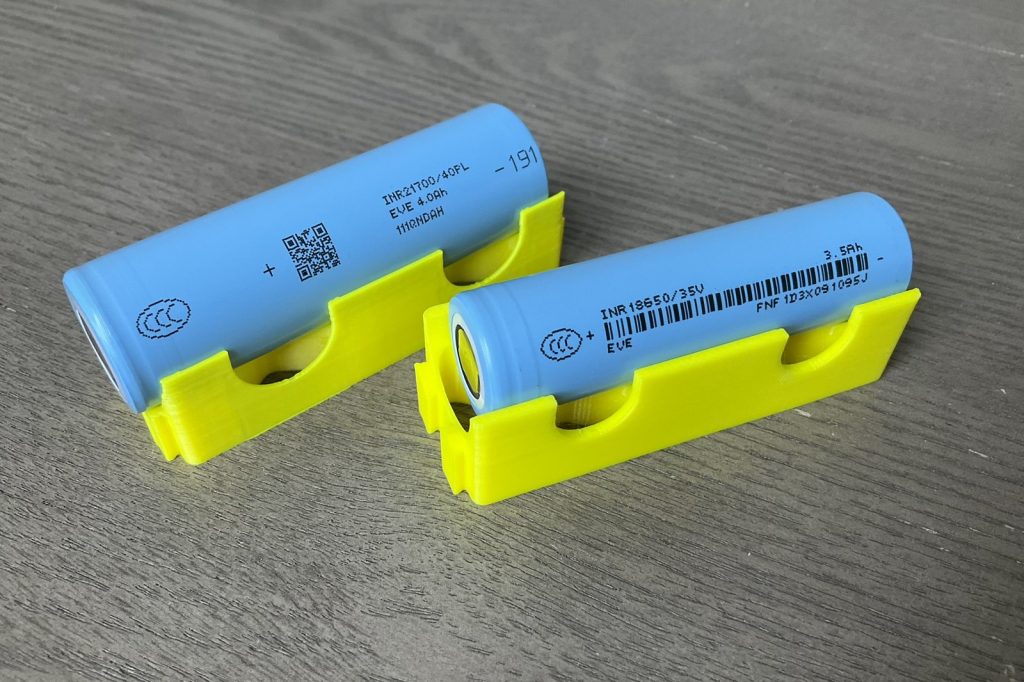
The lawsuit claims SES AI systematically overstated its business prospects. The company develops hybrid lithium-metal batteries for electric vehicles and other high-performance uses. That is a legitimate technology.
The question is whether the company had real customers or just circular arrangements that looked like revenue on paper. Wolfpack Research said no. Their December report alleged the company masked weakening fundamentals by promoting partnerships that lacked economic substance.
The lawsuit echoes that language. It alleges the company inflated expected revenue from non-substantive partnerships while hiding operational constraints and deteriorating demand. The March 4 filing then confirmed the problem.
SES AI cited logistics constraints and issued full-year 2026 revenue guidance that fell materially below market expectations. The stock dropped sharply.
That is the moment the fiction broke.
What happens next
The June 26 deadline is for investors to seek appointment as lead plaintiff. That person will direct the litigation. Berger Montague partner Andrew Abramowitz is the contact for investors wanting to understand their rights.
The firm has done this before. They know the playbook.
The real question is what discovery will uncover. The lawsuit alleges a pattern of deception that lasted over a year. That means emails, internal forecasts, board presentations, and partnership agreements will all be subject to scrutiny.
If the allegations hold, the company’s public statements during that period were materially false. That is securities fraud in its classic form.
SES AI trades on the New York Stock Exchange under the ticker SES. The company has not yet issued a public response to the lawsuit. That silence is notable.
The broader picture
This case is unfolding against a backdrop of intense skepticism toward pre-revenue battery companies. The electric vehicle market has cooled. Demand forecasts have been cut repeatedly.
Investors who piled into battery stocks during the 2020-2021 boom are now sitting on losses and looking for someone to blame. Class action lawsuits in this space are becoming routine.
But the specific allegations here — phantom deals, circular revenue, non-substantive partnerships — are more serious than a simple miss on guidance. They suggest deliberate fabrication of business activity. That is the kind of claim that can lead to SEC investigations and criminal referrals.
For now, the clock is ticking. June 26 is the date.
Berger Montague is the firm. Andrew Abramowitz is the lawyer. Investors who bought SES AI shares during the relevant period have a narrow window to act.
After that, the lead plaintiff will be chosen, and the litigation will move forward without them.