WASHINGTON, September 4 — The story begins with a number that refuses to budge in the right direction. For Americans watching the housing market with the quiet desperation of those priced out or locked in, the Freddie Mac 30-year fixed mortgage rate climbed to 6.71% for the week ending August 31, a modest but telling five basis points above the prior week’s 6.66%. What unfolded in the days before Labor Day carries the fingerprints of monetary policy made far from Main Street.
The uptick follows a period of intense attention on the Federal Reserve’s annual Jackson Hole symposium, where Kevin Warsh, identified as the Federal Reserve Chairman, delivered his first address from that Wyoming podium. The speech, described in housing market commentary as “an exercise in doubling down,” signaled no retreat from the policy stance that has kept borrowing costs elevated.
Anthony Smith, who publishes a recurring weekly series on U.S. housing trends, laid out the figures in his August 31 video update. At its heart, the report is aimed squarely at a lifestyle audience — homeowners, prospective buyers, and the housing-curious — offering practical navigation of a market that remains fundamentally out of balance.
The Supply Gap That Won’t Close
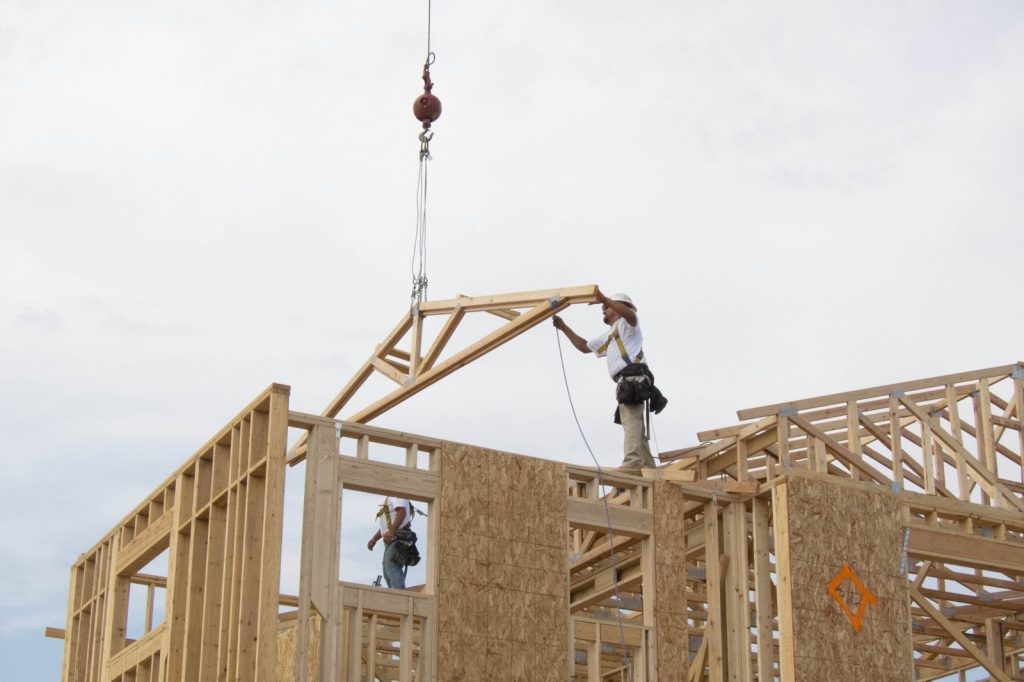
The shortage is staggering. The United States remains short an estimated four million homes, a supply gap that has persisted through rate cycles and policy shifts alike. For those involved — the first-time buyer saving for a down payment, the family needing more space, the seller wondering whether to list now or wait — this deficit shapes every transaction, every bid, every sleepless night.
Smith’s update ranges beyond the headline rate. Inventory shifts, listing activity, home prices, and the delicate push-pull between buyers and sellers all feature in the analysis.
The video is part of a broader series that includes a featured report and invites viewers to join a mailing list for monthly updates and notifications on fresh data and research.
What to Watch
The connection between Warsh’s Jackson Hole posture and the week’s rate movement is explicit in Smith’s framing, though the source material offers no additional detail on the speech’s specific content or immediate market reaction. What follows now is the question of whether the Federal Reserve’s direction will soften in coming months, or whether 6.71% becomes a floor rather than a ceiling. For a lifestyle audience trying to time a purchase, refinance, or sale, the uncertainty itself is the condition.
Smith’s series promises continued tracking of the numbers that matter — the rates, the inventory, the gap between what America needs and what it has built.