President Donald Trump has launched a $25 million federal initiative designed to pay informants who help identify fraud, aiming to turn the public into an active force against taxpayer theft.
The Mechanics of the Fraud Whistleblower Incentive Program
The Justice Department will administer the Fraud Whistleblower Incentive Program, which operates on a straightforward commission model. Under the rules announced by the White House, anyone who submits a tip to fraud.gov that leads to prosecution or a conviction is eligible to receive up to $30,000 in rewards.
The payout structure offers informants 1 percent of the total amount uncovered through their reporting. This commission applies subject to applicable laws and rules governing federal enforcement actions. The program seeks to broaden the pool of individuals willing to come forward, including journalists who can participate if they obtain approval from their employers and adhere to applicable regulations.
Tips must be submitted directly to fraud.gov to qualify for consideration. The initiative relies on leads that result in successful outcomes, such as significant federal enforcement action or a conviction in court. This requirement ensures that rewards are tied to tangible results rather than mere allegations without legal follow-through.
Dispute Resolution and Presidential Oversight
When multiple individuals claim credit for providing the same tip that leads to a reward, the process shifts to presidential oversight. President Trump stated he will personally decide who gets to collect the reward money when more than one person claims to have provided the information.
The president described this process as being done expeditiously and fairly. He intends to determine whether competing tipsters should split a payment or if one individual warrants the full amount based on their specific contribution to the investigation.
This level of direct involvement marks a distinct approach to managing high-stakes fraud cases involving multiple sources. The administration aims to resolve these disputes quickly to maintain momentum in investigations and ensure that rewards are distributed without unnecessary bureaucratic delay.
First Payments and the Minnesota Connection
The first payment from the program was issued to YouTube commentator Nick Shirley, who received a $10,000 check from Vice President JD Vance. This transaction marked the inaugural disbursement under the new initiative and highlighted the program’s immediate operational capacity.
Vance noted that the initiative grew out of a conversation with Trump about recruiting Americans to help investigators uncover fraud. The administration emphasized that if individuals want to help stop taxpayer fraud, they get to share in the rewards through this structured incentive system.
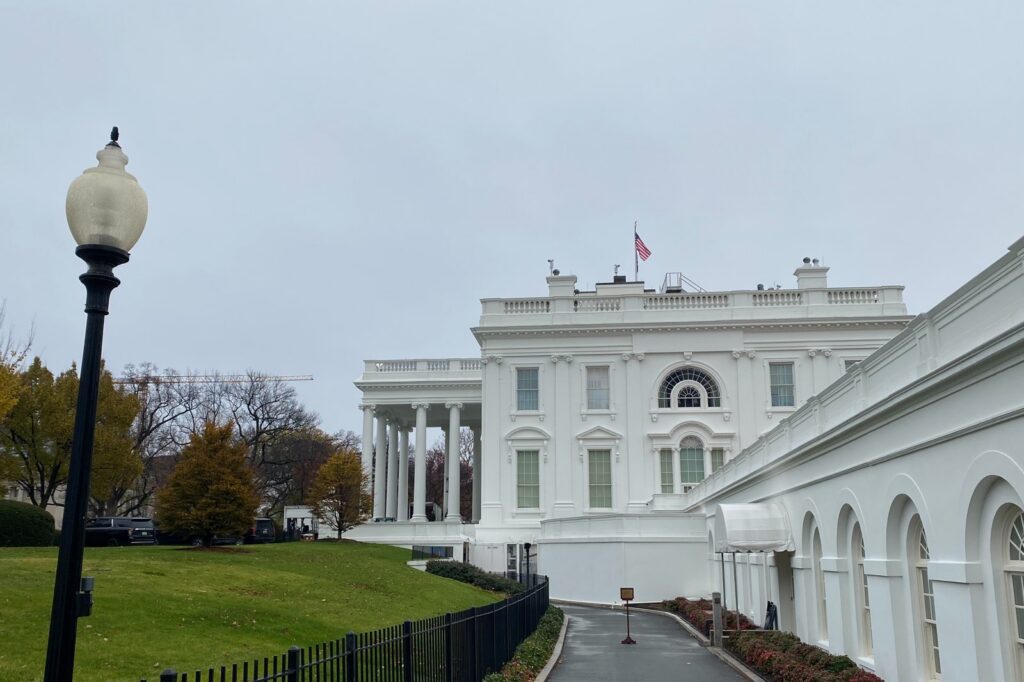
The launch event took place in the Oval Office and included specific references to fraud cases in Minnesota. Vice President Vance gave the check to Shirley after his widely shared video on fraud in Minnesota pushed the issue into the national spotlight. Several allegations made in that video were later substantiated by federal investigations, leading to charges against various entities.
Impact on Corporate and Government Fraud Reporting
The program aims to change the landscape of corporate and government fraud reporting by offering a direct financial stake in exposing wrongdoing. By providing a 1 percent commission on recovered funds, the administration hopes to incentivize citizens to monitor business practices and government operations more closely.
Investors will note that this mechanism creates a new layer of oversight outside traditional regulatory channels. The bottom line is that the federal government is leveraging private information to combat financial crimes that might otherwise go unnoticed by standard auditing processes.
The figure that matters for potential informants remains the cap of $30,000 per case, regardless of the total fraud amount involved. This cap applies even if the 1 percent calculation would yield a higher sum, ensuring predictability in reward expectations.
Since late 2022, federal prosecutors in Minnesota have charged more than 100 people with defrauding government social service programs, including Medicaid. These prosecutions started after an investigation into the nonprofit Feeding Our Future, whose leader Aimee Bock was at the center of a $300 million scheme to defraud taxpayer-funded child nutrition programs.
One facility featured in Shirley’s video was the Future Leaders Early Learning Center, whose former CEO pleaded guilty to wire fraud and conspiracy to defraud the United States. Prosecutors said she stole more than $4.6 million through false child care assistance claims and $850,000 through a federal child nutrition program connected to the scandal.
The White House credited Shirley’s reporting with helping spur a surge of FBI and Department of Homeland Security resources into Minnesota, followed by investigations, arrests and new charges. This sequence demonstrates how the incentive model can translate media exposure into concrete legal outcomes.
Shirley previously pointed to the guilty plea as vindication of his reporting amid efforts to discredit his investigations. He told Fox News Digital that “numbers don’t lie, and convictions don’t lie either,” reinforcing the data-driven nature of the whistleblower rewards.
The initiative represents a strategic shift toward crowd-sourced fraud detection. By linking rewards directly to prosecution outcomes, the program ensures that public attention translates into measurable recovery of taxpayer funds.
Eligibility Criteria and Submission Process
To participate in the Fraud Whistleblower Incentive Program, individuals must submit tips directly through the designated portal, fraud.gov. According to White House guidance, a submission only qualifies for a reward if it leads to a prosecution or a conviction. The program explicitly covers journalists, provided they secure approval from their employers and comply with applicable regulations. This structure is designed to broaden the pool of potential informants beyond traditional channels, encouraging public participation in uncovering taxpayer fraud.
The payout is calculated as a 1 percent commission of the total amount uncovered through the reported tip. However, a fixed cap of $30,000 applies to every case, meaning that even if the percentage calculation exceeds this amount, the reward will not surpass the limit. Tips must demonstrate a tangible result, such as significant federal enforcement action or a successful conviction in court, to be eligible for any payout. This ensures that rewards are distributed based on verified outcomes rather than unsubstantiated allegations.
Sources
- In announcing whistleblower reward program, Trump again zones in on Minnesota
- Trump puts fraudsters on notice with $25M whistleblower program offering cash for tips that deliver
- Pizza Fan: Whistleblower’s Complaint And The Incriminating SMS – tovima.com
Photo: Geraldshields11 (CC BY-SA 4.0)