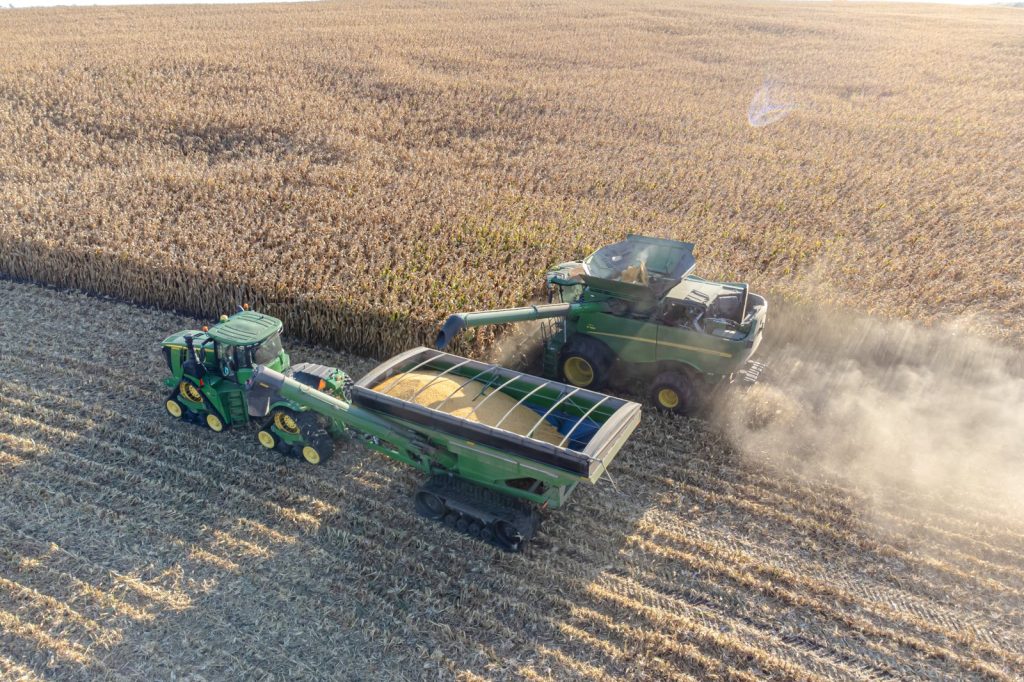
BAKU, July 6 — A record 5.75 million tons of crops were produced in Iran’s Kermanshah Province during the past Iranian year, the province’s agriculture director said. Director of the Kermanshah Provincial Agriculture Department Saeed Karimi announced the figure, which covers March 21, 2025, through March 20, 2026. The total breaks down to 4.85 million tons of crops, 601,000 tons of livestock products, and 301,000 tons of garden products.
Karimi described the output as a record for the province. The agricultural area of the province during the reporting period was approximately 903,000 hectares.
Of that, 862,000 hectares were arable land and 41,000 hectares were garden plots. Karimi said 153,000 farmers were active in Kermanshah last year. According to the department official, the province holds 3.4 million livestock and 550 poultry farms.
Some 133,000 hectares are equipped with pressurized irrigation systems, and 55 agricultural centers provide services to farmers. Kermanshah ranks first in Iran in chickpea production, second in sunflower production, and third in corn and sugar beet production, Karimi said.
The province is fifth in wheat and fig production, sixth in saffron, and seventh in walnut and olive production. “These figures show that Kermanshah Province has an important place in ensuring the country’s food security and agriculture,” Karimi said. The record harvest comes as Iran’s agricultural sector faces ongoing water constraints and international economic pressure.
The province’s ranking across multiple staple and cash crops underscores its role in the country’s food supply chain. Kermanshah Province, located in western Iran near the border with Iraq, has long been recognized as one of the country’s key agricultural hubs. Its diverse climate and fertile soil support the cultivation of a wide range of crops, from grains and legumes to fruits and oilseeds.
The region’s agricultural output is considered vital to Iran’s broader efforts to achieve self-sufficiency in food production, a longstanding national priority. Iran’s agricultural sector has historically faced challenges including limited water resources, periodic droughts, and the impact of international sanctions that restrict access to technology and export markets.
In response, the government has promoted investments in pressurized irrigation systems and other efficiency measures to sustain and increase yields. The reported expansion of such systems in Kermanshah reflects these national trends. The record production in Kermanshah also highlights the province’s strategic importance within Iran’s agricultural economy.
By ranking among the top producers for multiple staple crops such as wheat, corn, and sugar beets, as well as high-value items like saffron and walnuts, the province contributes significantly to both domestic food supplies and potential export revenues. Such output helps buffer the national food system against external shocks and supply chain disruptions.
Agriculture remains a major source of employment and livelihood in Iran, particularly in rural provinces like Kermanshah. The sector’s performance is closely watched by policymakers as a measure of economic resilience and food security. The achievement of a record harvest, despite ongoing environmental and economic pressures, underscores the adaptive capacity of the province’s farming community and the effectiveness of targeted agricultural support programs.