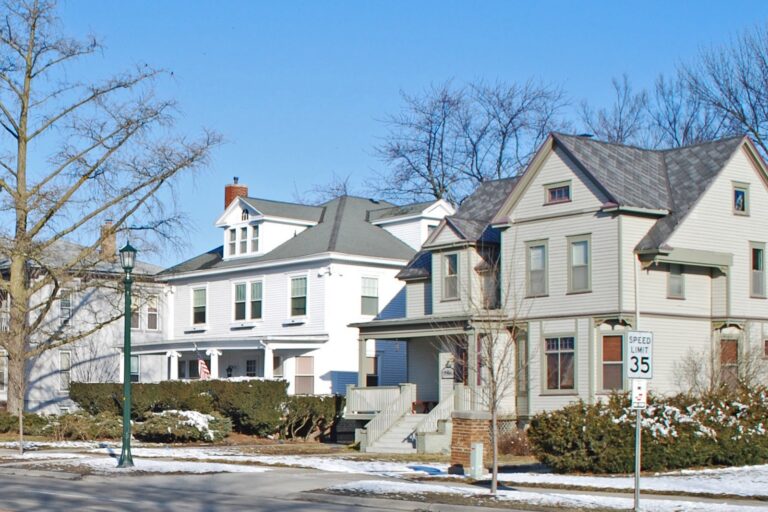
WASHINGTON, July 21 — Squatting in the United States can, under specific conditions, ripen into a legal claim for ownership through the doctrine of adverse possession. The mechanics here rest on time: a statutory period typically ranging from seven to twenty-one years, depending on the state. The catch is that squatters have no automatic residency rights during that window.
They occupy at the sufferance of the property owner — or rather, at the owner’s failure to act. Italy’s system operates on a different logic entirely.
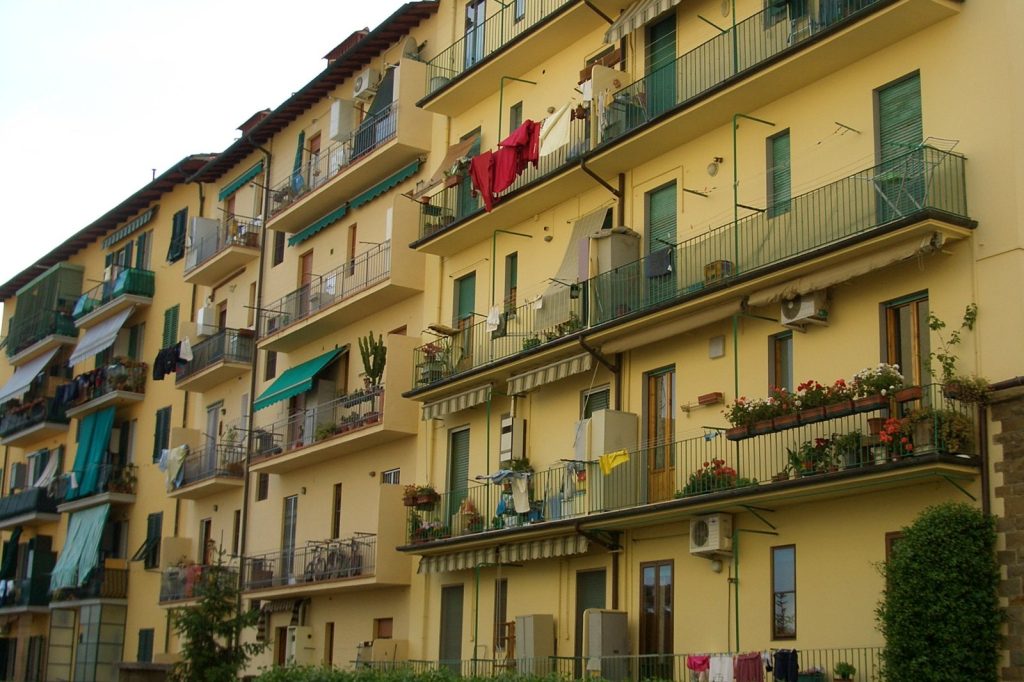
There, the legal framework is more protective of occupants. The burden falls squarely on the property owner to prove in court that the squatter should be evicted. Follow the money on that one: the owner must finance litigation, gather evidence, and obtain a judicial order before the occupant can be removed.
Italy treats the initial occupation as a civil matter; only after the owner secures an eviction ruling and the squatter refuses to leave does the case potentially become criminal trespass. The same civil-to-criminal threshold applies in the United States.
On closer reading of the legal structure in both countries, squatting itself is not automatically a crime. Criminal trespass requires proof — often that the occupant knew they had no right to be there and refused to leave after a demand. Until that is established, the dispute remains in civil court, where adverse possession claims
Adverse possession, also known colloquially as “squatter’s rights,” is a common‑law doctrine that dates back centuries to English property law.
Its original purpose was to encourage landowners to actively use and manage their land rather than let it sit idle, while also settling boundary disputes and quieting title after long‑term occupation. In the United States, the requirements vary by state but typically include open, notorious, exclusive, hostile, and continuous possession for the statutory period. The doctrine remains a source of tension between the sanctity of private property and the practical reality that unused land may be put to productive use by another.
Italy, by contrast, operates under a civil‑law system derived from the Napoleonic Code, where property rights are generally more rigidly defined and the state plays a larger role in resolving disputes. Italian law does not recognize a direct equivalent of adverse possession in the same way as U.S. common law, though long‑term possession can eventually lead to ownership under certain conditions.
The country’s more protective stance toward occupants is partly rooted in historical concerns about housing shortages and tenant rights, as well as a legal tradition that places the burden of proof on the party seeking to remove someone from a dwelling. The differing approaches highlight broader questions about property rights, housing policy, and the role of the judiciary in balancing the interests of owners and occupants. In recent years, debates over squatting have intensified in both nations amid rising housing costs and concerns about vacant properties.
Legal scholars often point to these comparative differences when discussing reform, noting that each system reflects distinct cultural attitudes toward ownership, social welfare, and the limits of state intervention in private disputes.