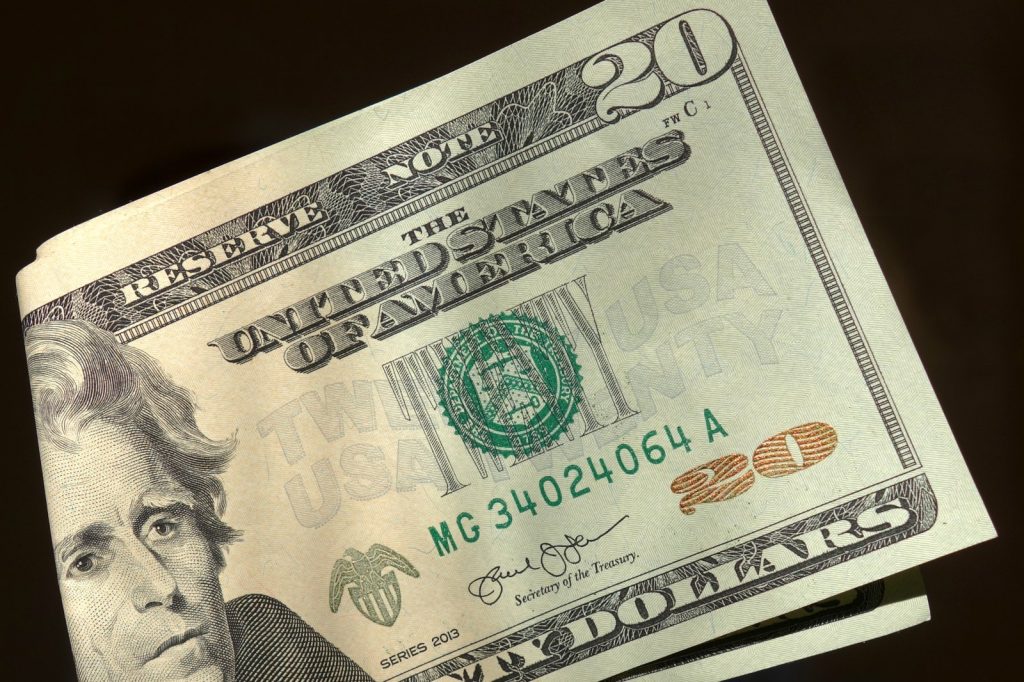
WASHINGTON — The United States dollar remains the undisputed anchor of the world’s monetary system, even as its share of central bank reserves has slipped over the past quarter-century. The numbers tell a stark story of dominance. According to the International Monetary Fund’s Currency Composition of Official Foreign Exchange Reserves data, the dollar accounted for 58.4% of allocated global reserves as of the fourth quarter of 2023.
That is down from roughly 71% in 1999, but it still dwarfs every other currency. The euro holds 19.7%, the Japanese yen 5.7%, the British pound 4.8%, and the Chinese renminbi just 2.7%.
The dollar’s grip on daily trading is even more pronounced. The Bank for International Settlements’ triennial survey from 2022 found the dollar was on one side of 88.3% of all foreign exchange transactions. The euro appeared in 30.5% of trades, the yen in 16.7%.
In the $2.2 trillion-a-day foreign exchange market, the dollar’s liquidity creates a self-reinforcing cycle: the more it is used, the more indispensable it becomes.
Trade and debt: the dollar’s reach beyond borders
In global trade invoicing, the dollar is used for about 40% of world exports. That figure stands in stark contrast to the United States’ share of global goods exports, which hovers around just 10%. The dollar’s role in trade far exceeds America’s direct economic footprint, a gap that underscores the currency’s unique status as the world’s default medium for cross-border commerce.
The debt markets tell a similar story. The BIS reports that the dollar’s share of the international debt securities market stood at roughly 48% in 2022.
These figures highlight the dollar’s liquidity and network effects, which create a self-reinforcing cycle of usage. The more participants that use the dollar, the more attractive it becomes for the next trader, central banker, or corporate treasurer. That dynamic has proven remarkably durable, even as other currencies have chipped away at the dollar’s share over decades.
The slow erosion and what it means
The decline from 71% in 1999 to 58.4% in 2023 represents a real, if gradual, shift. The euro’s introduction in 1999 created the first serious rival to the dollar in the post-Bretton Woods era. China has pushed aggressively to internationalize the renminbi, though its share of reserves remains small.
Yet no currency has come close to displacing the dollar, and the gap between the dollar and its nearest competitor remains vast. The IMF’s next COFER data release will show whether the dollar’s share has stabilized or slipped further.
Sources
- The Fed – The International Role of the U.S. Dollar – 2025 Edition
- The changing role of the US dollar | Brookings